The Vulnerability of Lake Minnetonka Seasonal Properties
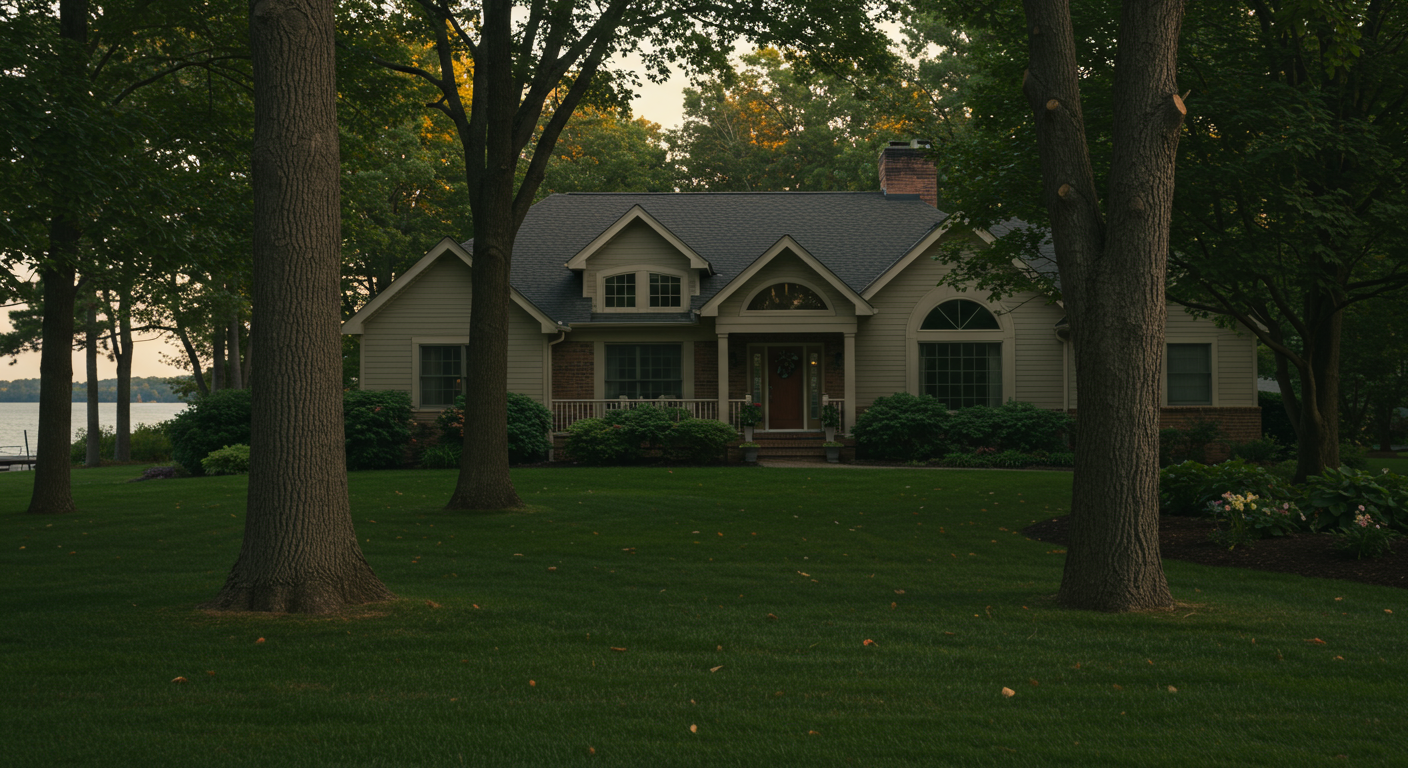
For many homeowners in the Minneapolis SW metro, a residence on Lake Minnetonka is more than a primary dwelling; it is a seasonal retreat in Tonka Bay or a secondary estate in Deephaven. However, the very nature of a lake minnetonka second home introduces unique risks during the “shoulder seasons” and deep winter months. When a property remains unoccupied for weeks or months at a time, minor mechanical failures can escalate into catastrophic structural issues. A slow drip from a faulty refrigerator supply line or a small crack in a copper pipe due to a furnace malfunction can result in thousands of gallons of water saturating high-end finishes before anyone sets foot on the property.
At Partners Construction Services (Partners COS), we frequently encounter lake minnetonka water damage that has gone unnoticed for significant periods. In a luxury residential context, the stakes are higher. Custom walnut millwork, hand-scraped hardwoods, and imported stone tiles require a specific technical approach to restoration. The goal is not merely to “dry the house,” but to stabilize the environment to prevent secondary damage, such as microbial growth or permanent warping of specialized building materials. Understanding the mechanics of these failures and the rigorous standards required to address them is the first step in protecting a significant real estate investment.
Off-Season Pipe Failures and Seasonal Home Freeze Prevention
The primary driver of lake home water damage during the Minnesota winter is the failure of the building’s thermal envelope or heating system. In the SW metro suburbs like Wayzata and Shorewood, older seasonal cottages and modern custom builds alike face the reality of sub-zero temperatures. If a furnace fails or a power outage occurs during a polar vortex, the internal temperature of the home can drop below freezing within hours, particularly in properties with significant glazing or exposed lake-facing elevations.
Seasonal home freeze prevention involves more than just setting the thermostat to 55 degrees. It requires a redundant strategy to ensure that water remains in a liquid state throughout the plumbing system. When water freezes inside a pipe, it expands by approximately 9%. This expansion creates immense pressure—up to 40,000 psi—which the pipe cannot contain. The burst typically occurs not where the ice is located, but at a point of weakness between the ice blockage and a closed valve or faucet. Once the “shoulder season” arrives and the ice thaws, the water flows unrestricted until the main shut-off is engaged.
The Critical Nature of the Shoulder Season
Spring and fall transitions are particularly dangerous for Lake Minnetonka properties. Owners may have already “winterized” the home but haven’t yet fully decommissioned systems, or they may have opened the home for the season only to have a late-April freeze catch them off guard. This is when deephaven water damage cases often peak. A property that is visited only on weekends is at a higher risk than a primary residence because the “discovery gap”—the time between the initial leak and the arrival of a restoration crew—is significantly longer.
IICRC S500 Standards and Structural Drying in Luxury Homes
When lake minnetonka water damage is discovered, the restoration process must follow the IICRC S500 Standard and Reference Guide for Professional Water Damage Restoration. At Partners COS, we categorize the water based on its source and potential contaminant levels:
- Category 1 (Clean Water): Originates from a sanitary source, such as a broken water supply line. However, if Category 1 water sits for more than 48–72 hours, it can degrade into Category 2 or 3.
- Category 2 (Gray Water): Contains significant contamination, such as discharge from a dishwasher or washing machine.
- Category 3 (Black Water): Grossly contaminated water, including sewage or groundwater intrusion. This requires aggressive removal of porous materials.
In high-end homes in Orono or Minnetonka Beach, we often deal with “Class 4” water intrusions. This refers to water that has saturated deeply into low-evaporation materials like plaster, hardwood, concrete, or stone. Drying these materials requires specialized equipment, including Low Grain Refrigerant (LGR) dehumidifiers and high-velocity air movers arranged to create specific pressure differentials. We monitor the “dry standard”—a reading taken from an unaffected area of the home—to ensure that we aren’t just drying the surface, but reaching the equilibrium moisture content (EMC) of the structural members.
Smart-Home Leak Detection and Remote Monitoring
The most effective way to mitigate the risk of tonka bay water damage is to shorten the discovery gap. Modern smart-home technology has evolved from simple temperature sensors to sophisticated flow-monitoring systems. For a lake minnetonka second home, these systems are essential. Integrated shut-off valves, such as those that monitor ultrasonic waves to detect even a pinhole leak, can automatically close the main water line and alert the homeowner via a smartphone app.
Key components of a robust off-season monitoring strategy include:
- Smart Water Shut-off Valves: Installed on the main water line, these detect abnormal flow patterns and can be closed remotely.
- Point-of-Leak Sensors: Placed under sinks, near water heaters, and behind refrigerators.
- Wi-Fi Thermostats with Low-Temp Alerts: Notifying the owner if the interior temperature drops below a safe threshold (e.g., 45 degrees).
- Redundant Power Systems: Battery backups for sump pumps and internet routers to ensure monitoring remains active during storms.
- Professional Property Management: Regular physical walkthroughs by a trusted service provider in the SW metro.
Even with these systems in place, mechanical failures can occur. If a sensor fails or a battery dies, the property remains vulnerable. This is why seasonal home freeze prevention must be viewed as a multi-layered defense rather than a single technical solution.
The Partners COS Hybrid Approach: Restoration and Custom Reconstruction
One of the most complex aspects of lake minnetonka water damage is the reconstruction phase. Traditional restoration companies often focus on “demolition and drying,” leaving the homeowner with a gutted house and a list of subcontractors to manage. Partners Construction Services operates as a hybrid restoration and custom build company. This means that while we are experts in IICRC-standard mitigation, we are also custom builders with the capacity to handle high-end architectural finishes.
When the walls are open due to a water loss, it presents a unique opportunity for the homeowner. If a kitchen in Eden Prairie or a master suite in Chanhassen requires significant restoration, we can pivot from “restoring to pre-loss condition” to “upgrading to a custom design.” Because the insurance company is already covering the cost of the base restoration (e.g., standard cabinetry, drywall, and flooring), the homeowner only pays the difference for the custom upgrades. This “silver lining” approach allows for a total remodel of a 1990s-era lake home into a modern custom space, often for a fraction of the cost of a standalone renovation.
Our team understands the specific costs involved. A typical high-end kitchen restoration after a pipe burst might range from $45,000 to $120,000 depending on the square footage and material choices. By leveraging the insurance claim, we can often integrate custom features like hidden pantries, integrated high-end appliances, or bespoke millwork that the owner had been considering before the loss occurred.
Insurance Realities and the “Sudden and Accidental” Clause
Managing an insurance claim for a property on Lake Minnetonka requires technical documentation. Most homeowners’ policies cover water damage that is “sudden and accidental.” The challenge with seasonal homes is proving the “sudden” nature of the event when the damage was discovered three weeks after it began. This is where professional moisture mapping and thermal imaging become critical. Partners Construction Services provides the data-backed reports that adjusters need to approve a claim, showing exactly where the water traveled and proving the source of the loss.
We speak the language of insurance adjusters, but we work for the homeowner. We ensure that “Scope of Work” documents include the actual cost of high-end materials common in the SW metro, rather than the “national average” prices often used by insurance software. If your home has hand-carved limestone fireplace surrounds or custom-milled oak flooring, the restoration budget must reflect those specific values. We also address the IICRC S520 standards for mold remediation if the water sat long enough to allow for fungal growth, ensuring the home is not just dry, but hygienically safe.
Frequently Asked Questions Regarding Lake Home Water Damage
How long does it take to dry out a water-damaged lake home?
Typically, the mitigation phase (drying) takes 3 to 5 days using industrial LGR dehumidifiers and air movers. However, if the water has saturated deep structural members or “Class 4” materials, it can take 7 to 10 days of controlled drying to reach the dry standard.
Will my insurance cover a pipe burst if I wasn’t at the house?
Most policies require you to maintain “reasonable heat” or to have shut off the water supply and drained the systems. As long as you can show the furnace was set to a safe temperature or that you had a monitoring system in place, “sudden and accidental” pipe bursts are generally covered.
Can you save my custom hardwood floors after they’ve buckled?
In some cases, yes. Using specialized floor drying mats that create a vacuum to pull moisture through the wood, we can sometimes reverse “cupping.” However, if the wood has “crowned” or the subfloor is saturated, replacement is often necessary to ensure structural integrity and prevent mold.
Is mold inevitable if the water sits for a week?
Mold spores are always present, and they begin to colonize on wet organic material (drywall paper, wood) within 24 to 48 hours. If discovery is delayed, professional mold remediation following IICRC S520 standards is required to safely remove affected materials and clean the air.
Talk to Partners COS
Whether you are dealing with a current water loss in Wayzata or looking to harden your property against future risks in Orono, Partners Construction Services provides the technical expertise required for luxury residential assets. Our hybrid model ensures that you aren’t just getting a cleaning crew—you’re getting a team of builders who understand the architectural integrity of your home. From the initial emergency water extraction to the final coat of paint on a custom-rebuilt kitchen, we manage the entire lifecycle of the project.
If you have discovered water damage in your Lake Minnetonka seasonal home, or if you are planning a custom build that requires advanced moisture-mitigation strategies, contact Partners COS. We serve the entire SW metro including Edina, Plymouth, and the Lake Minnetonka islands. We will provide a transparent assessment, handle the technical insurance documentation, and help you turn a property disaster into an opportunity for a high-end custom upgrade.
Leave A Comment