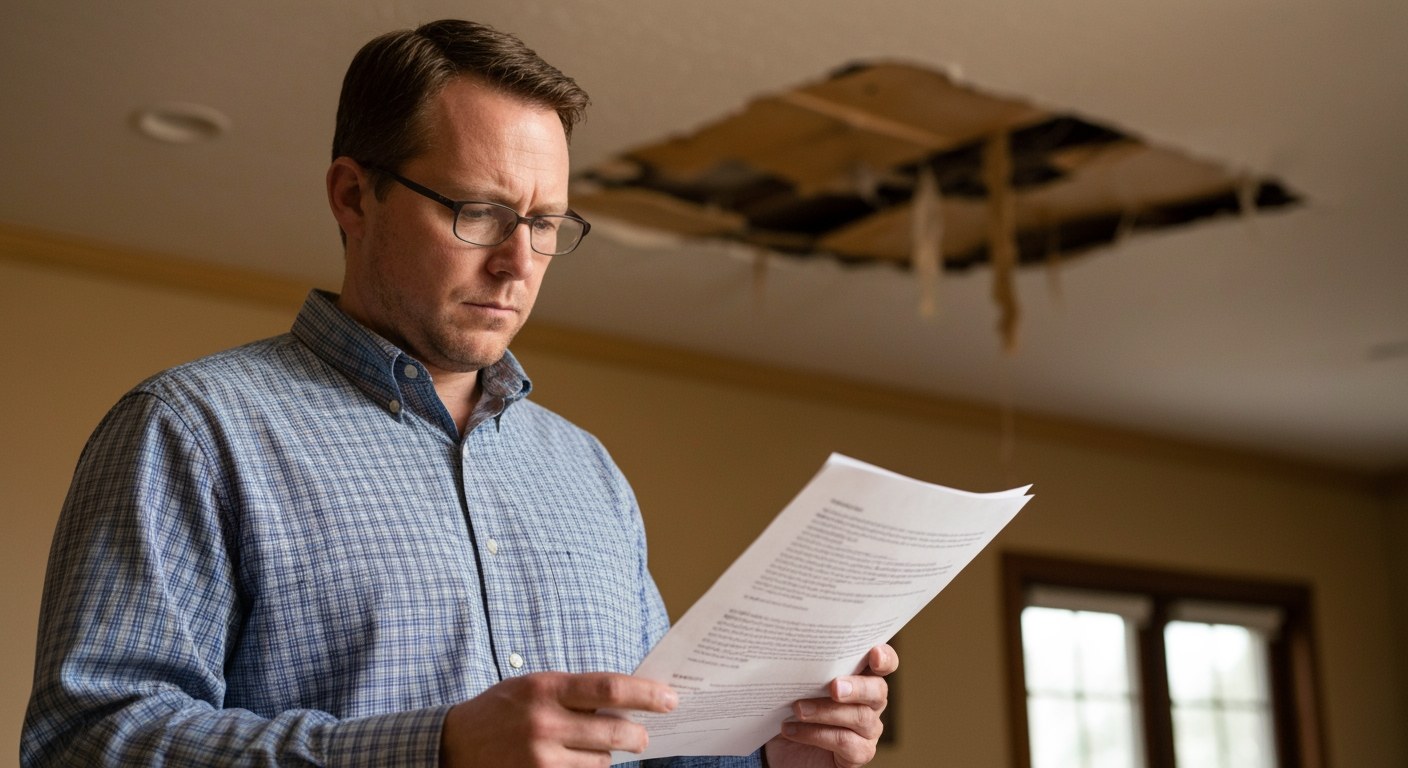
Every significant property damage event is also a construction budget. When a water loss damages your kitchen, the insurance claim pays to restore the kitchen to pre-loss condition. But the kitchen was getting a renovation anyway — the cabinets were outdated, the layout wasn’t working, the countertops were dated. The claim creates a moment where significant construction work is happening in that space regardless. The question is whether you restore exactly what was there, or you use the construction mobilization as the foundation of the improvement you were planning.
Partners COS specializes in this approach. We are simultaneously a restoration contractor — IICRC-certified, with the documentation and claims management expertise that insurance carriers require — and a full-service renovation and custom home builder. That combination is rare. It’s what makes insurance-funded renovation a practical option rather than an abstract concept.
How Insurance-Funded Renovation Actually Works
The insurance claim pays for like-kind and quality restoration — returning the damaged components to their pre-loss condition using comparable materials and workmanship. What you do above and beyond that settlement is a homeowner upgrade, paid directly. The combination of the claim settlement and the homeowner’s upgrade budget funds a renovation that would have been difficult to justify as a stand-alone project.
The key is documentation. The claim payment is based on the adjuster’s scope of loss — the specific items damaged, their pre-loss condition, and the cost to restore them. This documentation needs to be accurate, complete, and presented in a format that insurance carriers recognize. If the restoration documentation is incomplete or poorly organized, the claim payment is reduced. We handle this documentation as a core part of our service — it’s not delegated to a public adjuster or left to the homeowner.
Once the claim scope is documented and the settlement is established, we design the upgrade scope in parallel. The upgrade components are estimated separately and paid by the homeowner. Construction is executed as a single project — the claim-funded restoration and the homeowner-funded upgrade proceed together, with a single construction team, a single schedule, and a coherent design direction.
The Scenarios Where This Works Best
Water damage to kitchen or primary bathroom. These are the highest-value upgrade opportunities in the insurance-funded renovation space. A water loss in a kitchen that needed renovation anyway — damaged cabinets, flooring, drywall — creates a natural construction event. The claim pays for restoration to pre-loss condition; the homeowner adds the cabinet upgrade, the countertop upgrade, the new layout. The result is a renovated kitchen for significantly less than it would cost as a stand-alone project.
We’ve executed this approach in Wayzata kitchens after water intrusion events, in Eden Prairie kitchens after appliance failures, and in Edina primary suites after pipe failures in adjacent walls. The before-and-after gallery on our site documents several of these projects with the specific upgrade approach used in each case.
Fire or smoke damage to living areas. Fire and smoke damage typically affects large areas — living rooms, great rooms, primary suites — that are expensive to restore and even more expensive to renovate as stand-alone projects. When the claim covers restoration to the affected areas, a homeowner upgrade can address adjacent spaces that weren’t damaged but needed attention, creating a comprehensive improvement that the claim made economically viable.
Storm damage to roofing and exterior. A hail claim that pays for roof replacement is an opportunity to evaluate the full exterior envelope — siding, windows, gutters — and address components that haven’t been claimed but are approaching end of service life. Coordinating this work under a single construction mobilization is more efficient and often produces better outcomes than the claim repair and the voluntary upgrades happening in sequence.
Why This Requires a Builder-Restorer
A restoration-only contractor can document and repair the claim. A renovation-only contractor can design and build the upgrade. Neither can do both — and the boundary between the two is exactly where the value of this approach lives. The claim documentation needs to be accurate and complete. The upgrade design needs to integrate with the claim scope. The construction needs to execute both as a single project.
Partners COS is the only contractor in the Minneapolis west metro that combines IICRC-certified restoration documentation capability with full custom home building and renovation experience. That combination is why insurance-funded renovation is a real option for our clients rather than a theoretical one.
Frequently Asked Questions — Insurance-Funded Home Renovation Minnesota
Is it legal to use an insurance claim as the foundation of a renovation project?
Yes — insurance claims pay for restoration to pre-loss condition. Any upgrades above the claim settlement are the homeowner’s responsibility and are paid directly. Combining claim-funded restoration with homeowner-funded upgrades into a single construction project is a legal and common approach for homeowners with the budget to improve on the pre-loss condition.
What does Partners COS handle in terms of insurance claim documentation?
We handle the complete restoration documentation — scope of loss, line-item estimates in carrier-recognized formats, photo documentation, and coordination with the adjuster during the claim process. This documentation is the foundation of the claim payment; accurate and complete documentation produces better claim outcomes than incomplete documentation.
What are the best damage scenarios for insurance-funded renovation?
Water damage to kitchens and primary bathrooms, fire and smoke damage to living areas, and hail damage to roofing and exterior are the scenarios where insurance-funded renovation creates the most value. These are high-cost restoration events in spaces that are also high-value renovation opportunities.
Does Partners COS work with all insurance carriers?
We work with all major carriers active in the Minnesota market. Our documentation follows standard restoration industry formats that all carriers recognize. We have experience with State Farm, Farmers, Allstate, USAA, Travelers, and regional carriers operating in the Minnesota market.
Leave A Comment