
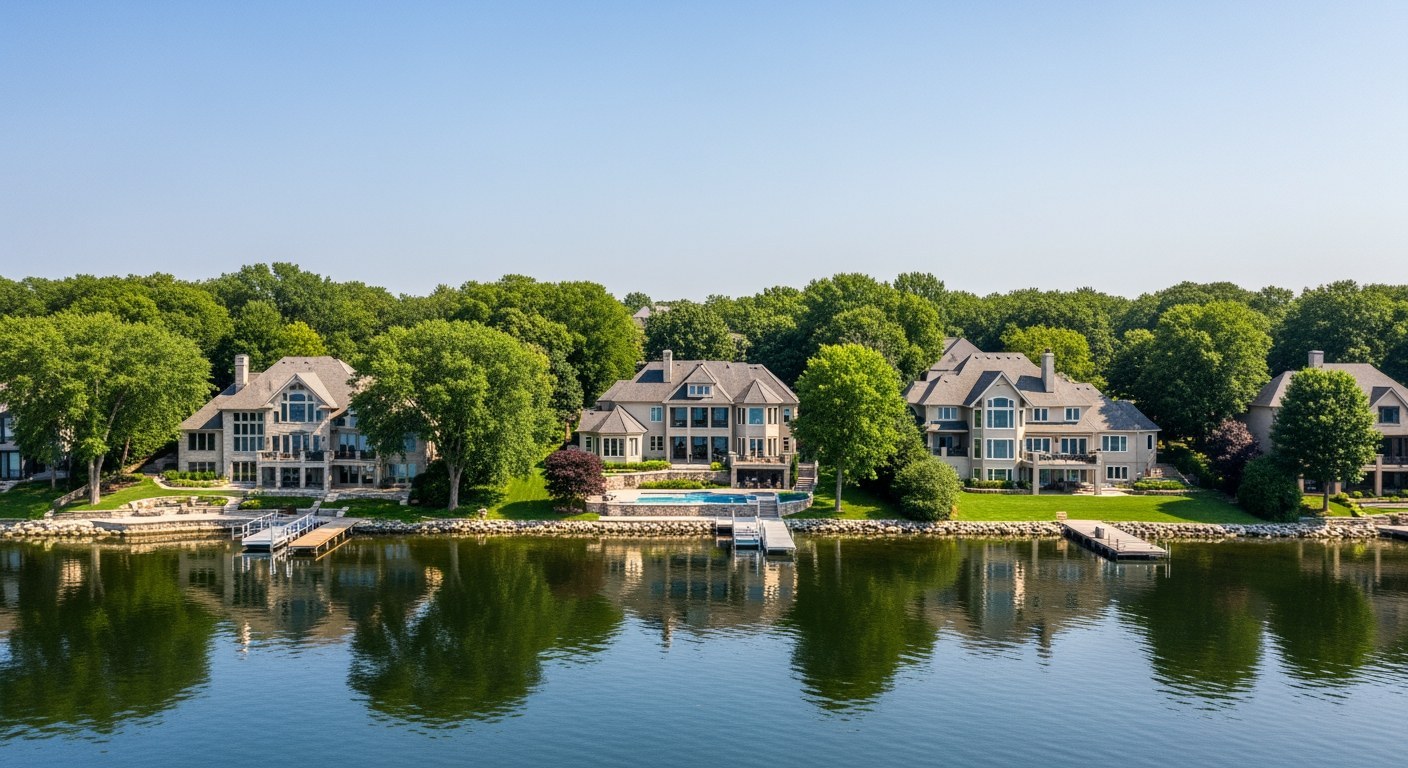
Adding to a home in Wayzata is more complex than adding to a home most other places in the western suburbs. The impervious surface limits that apply to lakeshore lots — typically 25 to 30 percent of total lot area — are often already close to their ceiling on existing developed properties. An addition that adds roof area, foundation footprint, or new hardscape may require either permeable paving solutions, removal of existing impervious surface, or a creative design approach that minimizes new footprint while maximizing added living space.
Partners COS has navigated this constraint on multiple projects in the Wayzata corridor. We approach home addition projects the same way we approach new custom home construction — with a pre-design site analysis that establishes the regulatory envelope before any design work begins.
Impervious Surface Analysis Before Design
The first step on any Wayzata addition project is calculating existing impervious surface coverage. This requires a current survey showing all existing structures, driveways, patios, and hardscape, combined with the applicable impervious surface limit for the specific lot based on its zoning classification and water body adjacency.
Many Wayzata homeowners are surprised by how close their existing property is to the impervious surface limit. A 1980s home with an expanded driveway, an existing patio, and a detached garage may already be at or near the limit before any addition is considered. Understanding this constraint before design work begins — rather than after the architect has produced a schematic that doesn’t fit within the regulatory envelope — is the purpose of our pre-design due diligence.
Where existing impervious coverage is high, we explore options: permeable pavers for existing or new hardscape, driveway reconfiguration, or a second-story addition that adds living space without adding foundation footprint. These options have real design and cost implications that need to be understood before a project direction is set.
Types of Additions We Build in Wayzata
Primary suite additions. The most common addition request in the Wayzata market — adding a ground-floor primary suite with dedicated bathroom and walk-in closet to an existing home that was built before the primary suite became a standard program element. These additions typically add 400 to 600 square feet and involve significant structural work at the connection point with the existing structure.
Kitchen and great room expansions. Expanding the back of a home to create a larger kitchen, informal dining, and family room space — bringing the footprint into alignment with current open-plan living preferences. These additions require careful attention to the connection between the new addition and the existing structure’s roof and wall systems, particularly in terms of water management at the junction.
Four-season rooms and porches. Converting existing screened porches to four-season spaces, or adding new covered outdoor rooms designed for year-round use. In the Wayzata market, these additions are often the highest-priority project for clients who value outdoor connection during Minnesota’s limited warm season.
Garage expansions and additions. Adding a third or fourth bay, converting an existing attached garage to living space while adding a new detached garage, or adding a heated garage with living space above. These projects have significant impervious surface implications and require careful site planning.
The Restoration-Informed Approach to Addition Construction
Adding to an existing home is more complex than building from scratch in one important way: the new addition must connect to an existing structure whose construction quality is unknown until you open it. We’ve encountered existing wall assemblies during addition work that had hidden moisture damage, framing that wasn’t what the original drawings showed, and insulation installations that created condensation conditions that had been producing damage for years without the homeowner knowing.
Our restoration background means we’re not surprised by what we find when we open an existing structure. We know how to assess what’s there, address problems that are discovered during construction, and connect the new addition in a way that improves rather than perpetuates any moisture management issues in the existing structure.
Frequently Asked Questions — Home Addition Contractor Wayzata MN
Does adding to my Wayzata home affect my impervious surface compliance?
Yes — any addition that increases roof or foundation footprint adds impervious surface. On lakeshore lots with impervious surface limits of 25 to 30 percent of lot area, many existing properties are already near the limit. We calculate existing coverage before design begins so you know the available addition footprint before any design investment is made.
What types of home additions does Partners COS build in Wayzata?
Primary suite additions, kitchen and great room expansions, four-season rooms and screen porch conversions, garage expansions, and second-story additions that add space without new foundation footprint. Each type has different regulatory and structural implications; we advise on the right approach for each project’s specific site and program.
Does an MCWD permit apply to a home addition in Wayzata?
MCWD permit requirements are triggered by significant soil disturbance or new impervious surface creation. A home addition that involves excavation for a new foundation and adds meaningful roof area may trigger MCWD review. We assess MCWD applicability during pre-design due diligence on every Wayzata addition project.
Leave A Comment