
Basement Flooding in Minnesota: What to Do in the First 24 Hours
Your basement is flooding. Here’s the exact sequence — what to do first, what not to touch, how fast mold starts, and what the cleanup actually costs in Minnesota.
Read MoreYour basement is flooding. Here’s the exact sequence — what to do first, what not to touch, how fast mold starts, and what the cleanup actually costs in Minnesota.
Read MoreMinnesota homeowners insurance covers sudden water damage but not floods or gradual leaks. Here’s the exact breakdown — burst pipes, ice dams, sump pump failures, and what to do if your claim gets denied.
Read MoreWater damage restoration in Minnesota takes 3–7 days for drying plus 1–4 weeks for repairs — but Minnesota winters, 1980s plumbing, and insurance approval timelines all change that number. Here’s exactly what to expect.
Read More
Hopkins built out in the 1950s and 1960s — meaning original galvanized steel supply pipes are 60-75 years old and cast iron drains are showing root intrusion and joint failure throughout the city. Plus Nine Mile Creek watershed exposure shared with Edina, Bloomington, Minnetonka, and Richfield.
Read More
Golden Valley drains entirely into Bassett Creek — the city’s own documentation uses a funnel metaphor. Combined with a dominant 1950s and 1960s housing stock where galvanized pipes, cast iron drains, and undersized sump systems are at failure age, the risk picture is specific and serious.
Read More
Chanhassen was farmland 40 years ago — and the tile drainage systems, clay soils, and 356 wetlands underneath today’s subdivisions create water behavior that generic restoration companies consistently misdiagnose. Plus: Lotus Lake feeds Purgatory Creek, one of the most erosion-prone systems in the western suburbs.
Read More
Maple Grove has 13 named lakes, thousands of pond-adjacent lots, and a dominant 1990s housing stock where sump pumps, interior-insulated basement walls, and irrigation systems are all hitting critical failure ages simultaneously.
Read More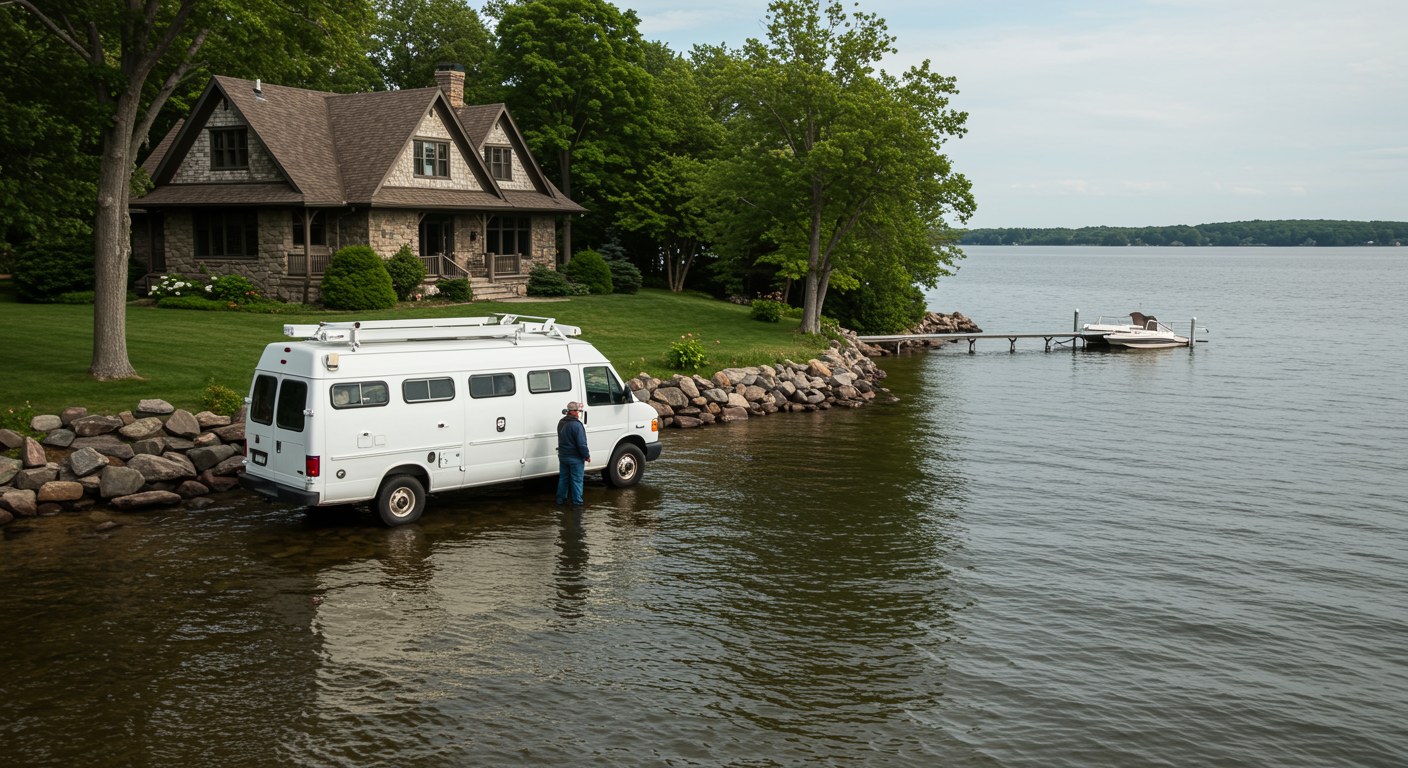
Orono’s water damage complexity comes from three intersecting realities: ~40% of Lake Minnetonka’s shoreline, a city split between municipal sewer and private septic, and a three-agency permit landscape (MCWD, LMCD, DNR) that most contractors don’t understand until it’s too late.
Read More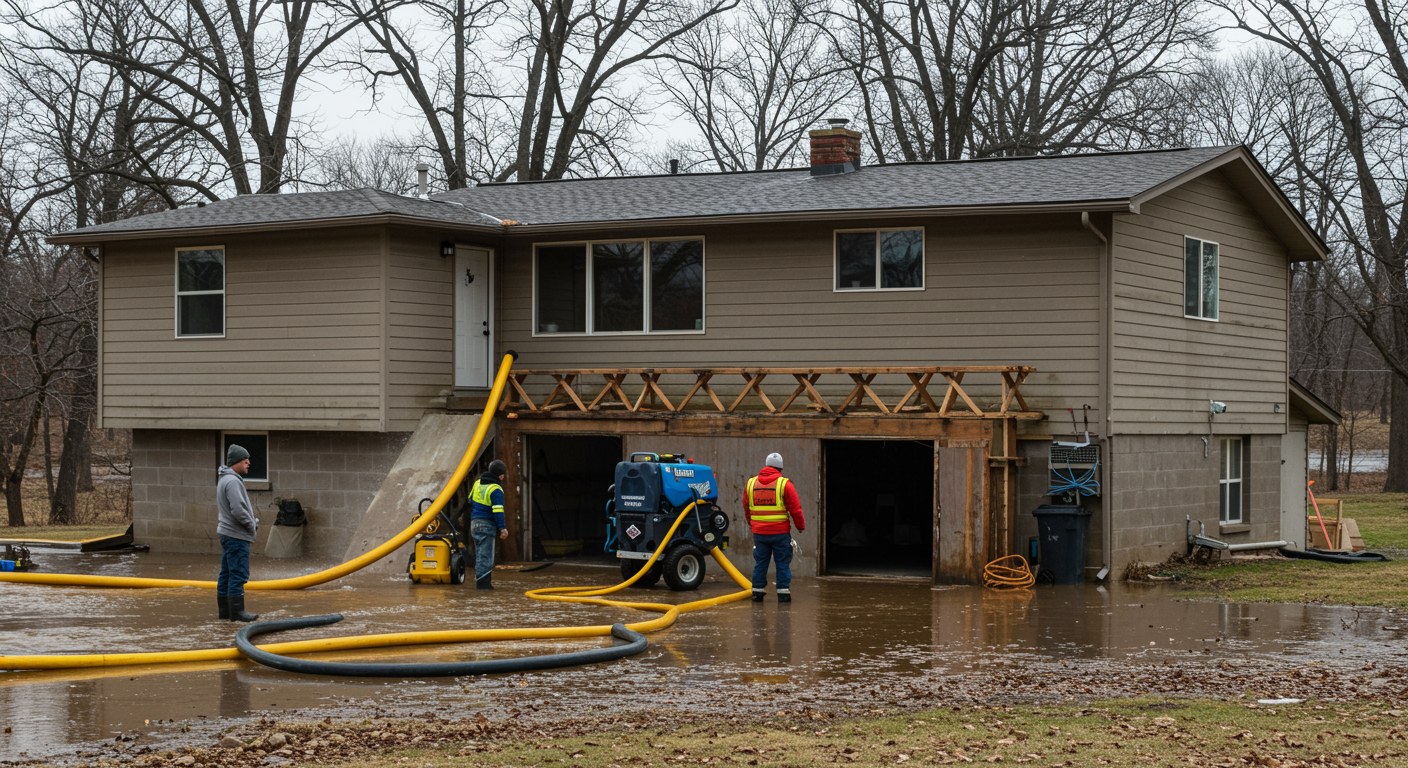
Bloomington sits at the intersection of the Minnesota River floodplain, Nine Mile Creek watershed, and infrastructure designed for the 1987 flood era. What the city’s largest postwar housing cohort faces today with 50-to-70-year-old pipes and sump systems.
Read More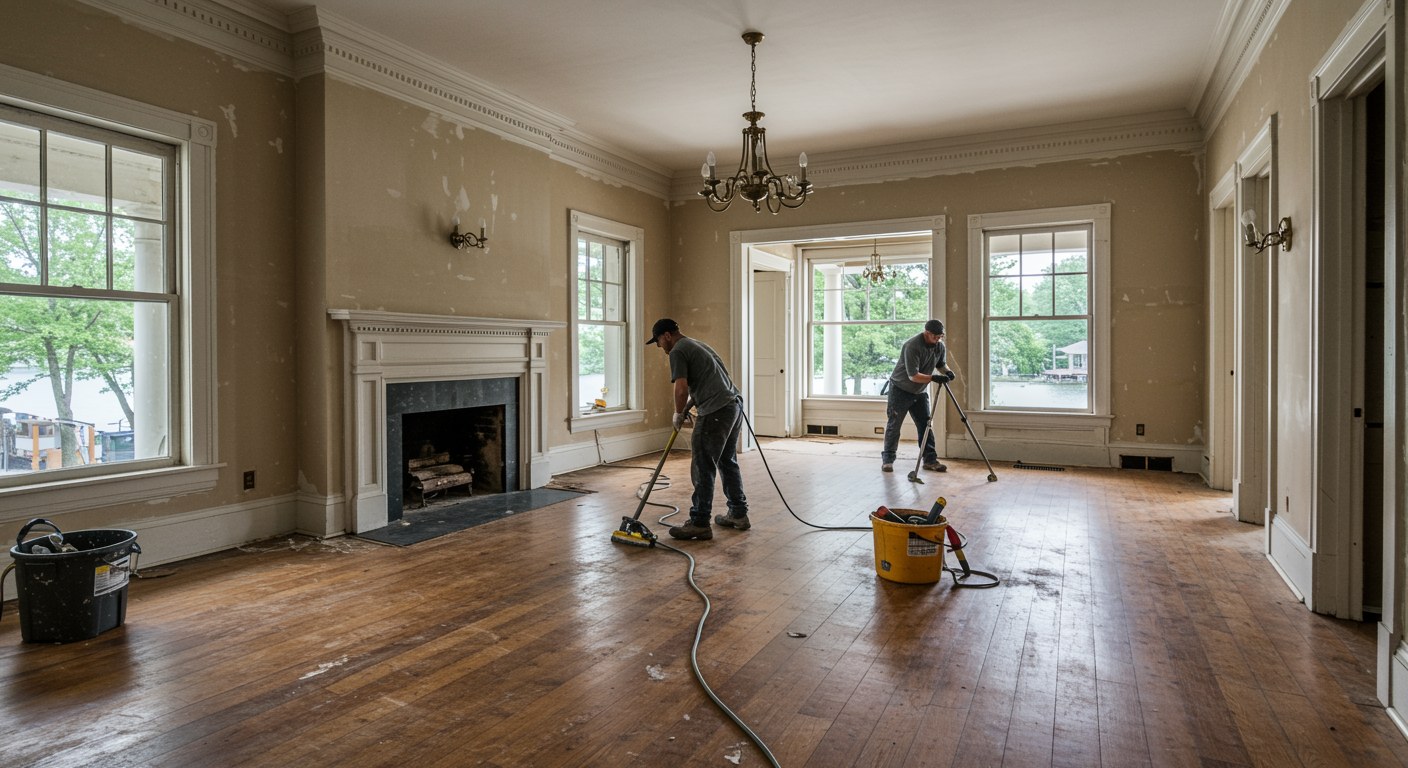
Wayzata estates span a century of construction — from early 1900s lakefront homes with original plaster and cast iron, to new-construction luxury builds with premium European materials. Why the restoration standard here is categorically different.
Read More