
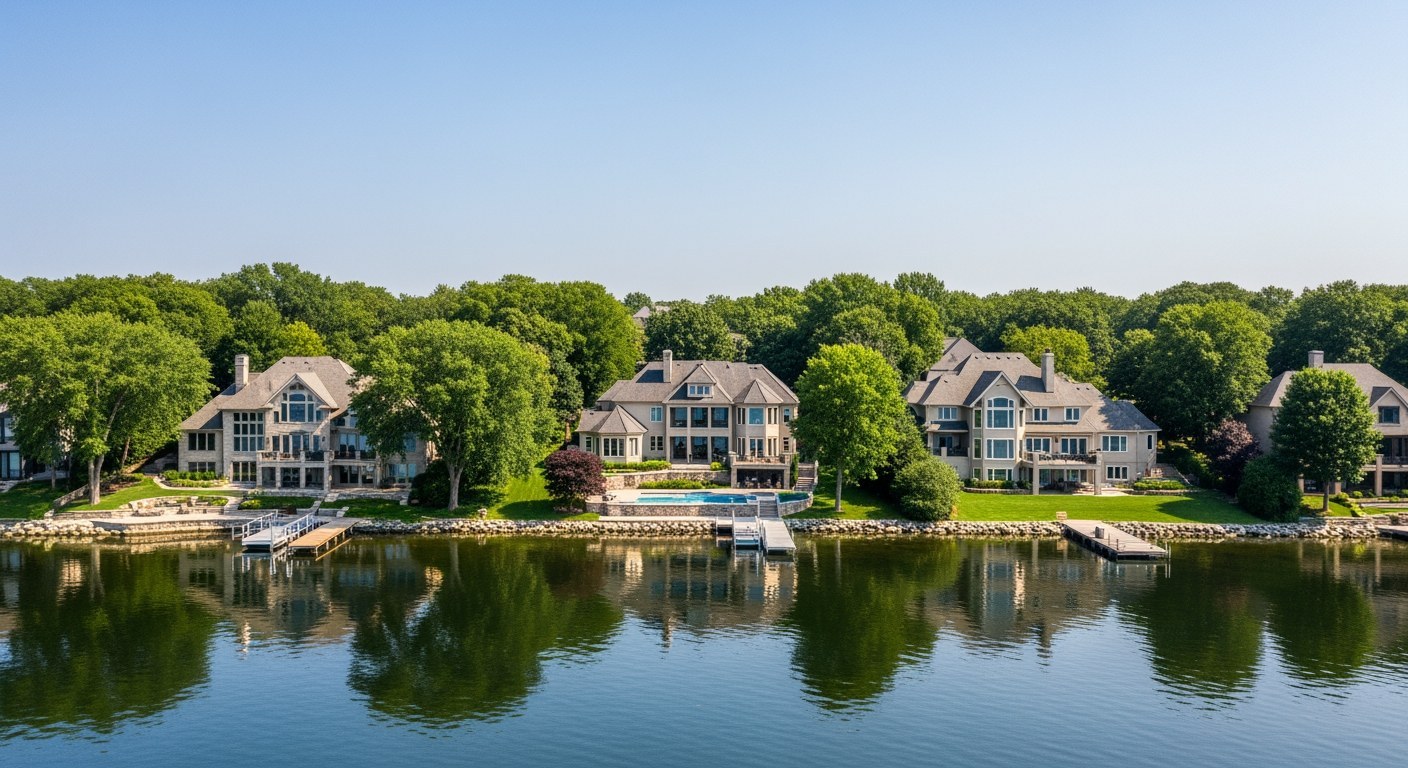
There’s a design trend that shows up consistently in high-end new construction throughout the Lake Minnetonka corridor — in Wayzata, Orono, Deephaven, and the surrounding communities where Partners COS builds and does restoration work. It doesn’t have a widely agreed-upon name. Design media calls it “modern farmhouse” or “Scandinavian modern” or “organic modern.” But what it actually is is something more specific to this place: the meeting point between the Minnesota lake cabin tradition and the contemporary design sensibility that has emerged over the past decade.
Understanding this vernacular is useful for any homeowner building or renovating in this corridor — because it’s the aesthetic context within which new construction will be judged by the market, and because it has specific material and construction implications that affect how projects are designed and executed.
The Lake Cabin Inheritance
Minnesota lake cabin architecture has a distinctive character that’s worth understanding because it’s the foundation layer of this hybrid. Traditional lake cabins in this region share a vocabulary: natural wood — cedar, pine, Douglas fir — used structurally and as finish material. Stone used at fireplaces and foundation bases. Pitched roofs with generous overhangs that shed snow and create covered outdoor space. Proportions that feel human-scaled and livable rather than grand.
The lake cabin tradition also has a specific relationship with its site. The cabin is oriented toward the water. The best views are protected. The landscape is engaged rather than imposed upon. This site sensitivity — the idea that the building should acknowledge and amplify its setting rather than ignore it — is embedded in how this corridor’s new construction is designed, even when the scale has grown far beyond anything resembling a traditional cabin.
The Modern Farmhouse Layer
The contemporary modern farmhouse vocabulary — which emerged from coastal design media but has been thoroughly adapted to the upper Midwest — contributes several specific elements to the Minnesota hybrid. The white oak flooring and millwork that has become ubiquitous in high-end construction. The matte black hardware and plumbing fixtures. The neutral material palette — white and warm gray and natural wood — that creates a calm, edited interior environment. The shiplap and board-and-batten wall treatments that add texture without complexity.
What the Minnesota version of this vocabulary does differently from its coastal origins: it’s heavier. More material. The stone is thicker, the wood millwork is more substantial, the proportions are scaled for rooms that are used in winter as well as summer. A California modern farmhouse can be light and airy because the walls don’t need to manage a climate zone 6 winter. A Minnesota lake corridor version of the same aesthetic needs to feel sheltering.
Specific Material Choices That Define This Look
White oak, everywhere. White oak has become the signature material of this aesthetic in Minnesota’s high-end residential market. Flooring, stair treads, cabinet faces, interior doors, exposed ceiling beams. The material’s warm grain and tonal range — from pale gold to deep brown depending on cut and finish — works with the natural palette this aesthetic demands. We source white oak millwork from Minnesota suppliers where possible; the material has a regional appropriateness that imported alternatives don’t match.
Honed limestone and quartzite countertops. The polished marble that defined the previous generation of high-end kitchen design has given way to honed limestone and quartzite in most of the kitchen projects we see in this corridor. These materials have a more subdued, organic surface quality that fits the overall palette better than polished stone — and in the practical context of a kitchen that’s actually used, they’re more forgiving of daily wear.
Board-formed concrete at fireplaces and feature walls. Exposed concrete with the texture of the board formwork pressed into its surface has become a signature material for fireplace surrounds and occasional feature walls in this aesthetic. It reads as both industrial and natural — simultaneously referencing the concrete block construction of traditional cabin foundations and the contemporary material interest in raw, honest surfaces.
Dark-painted steel windows and doors. The shift from standard wood or vinyl windows to dark-painted steel or steel-clad frames has been significant in this market over the past several years. The dark frame reads as a contemporary detail — it creates a more defined relationship between glass and surround — but it also echoes the dark-stained wood windows of traditional cabin architecture. In the lake corridor, where the view through the window is often the primary design element of a room, this framing choice matters.
How This Affects Construction
The material choices of this aesthetic have real construction implications. White oak flooring requires specific acclimation and subfloor moisture conditions before installation. Board-formed concrete feature walls require formwork design and a concrete mix that produces the right surface quality. Steel window frames have different thermal performance characteristics than wood or fiberglass frames and require specific installation detailing to avoid condensation at the frame in a cold climate.
These are details that Partners COS manages as part of the construction process — because we build in this aesthetic regularly and understand its specific requirements. A builder who hasn’t executed this look before will learn on your project. We’ve already learned.
Frequently Asked Questions
Is the lake cabin meets modern farmhouse look specific to Minnesota?
The specific hybrid that has emerged in the Lake Minnetonka corridor and broader Minnesota lake region is genuinely regional — it combines elements of the Minnesota lake cabin tradition with contemporary design influences in a way that produces something different from the coastal versions of the modern farmhouse aesthetic. The heavier proportions, the specific material palette, and the site sensitivity all reflect the Minnesota context.
What is the most important material choice in this design aesthetic?
White oak is the material that most consistently defines this look throughout the Lake Minnetonka corridor — flooring, millwork, cabinetry, and exposed structural elements. Its warm grain and tonal range anchor the natural palette that the rest of the material selection builds around.
Does Partners COS build in this aesthetic?
Yes — it’s the dominant aesthetic in our custom home and renovation work throughout the lake corridor. We have direct experience with the specific material sourcing, installation requirements, and construction details that executing this look well requires.
Leave A Comment