A house fire is one of the most disorienting events a homeowner can experience. Within minutes, flames can compromise structural integrity, smoke can infiltrate every porous surface, and soot can coat walls, ceilings, and personal belongings. If you have experienced fire damage in Minneapolis, the western suburbs, or surrounding communities, the decisions you make in the first 24 to 72 hours directly affect how much of your property can be saved — and how much your insurance will cover.
Partners Restoration serves Medina, Plymouth, Wayzata, Minnetonka, Orono, Long Lake, Maple Grove, and the broader Twin Cities metro with IICRC-certified fire damage restoration. We work directly with homeowners, insurance adjusters, and property managers to restore fire-damaged properties to pre-loss condition — or better.
What Happens to a Home During and After a Fire
Understanding fire damage means understanding that fire itself is only part of the problem. The restoration process addresses several distinct damage categories that occur simultaneously.
Structural Damage
Direct flame contact can weaken or destroy framing lumber, floor joists, roof decking, and load-bearing walls. Even areas that did not burn directly may have been exposed to extreme heat, which can compromise structural integrity in ways not immediately visible. A licensed contractor’s first job on any fire-damaged property is a thorough structural assessment before any other work begins.
Smoke and Soot Damage
Smoke travels rapidly through a structure, moving into wall cavities, HVAC systems, attic spaces, and closets — often well beyond the area of the actual fire. Soot deposits on every surface it contacts. Different combustion sources produce different soot types: protein fires leave nearly invisible but intensely odorous residue; synthetic material fires produce oily, smearing soot that is difficult to clean without professional-grade chemicals. Attempting to wipe soot without the correct technique permanently embeds it deeper into materials.
Water Damage from Firefighting
Fire suppression introduces significant water into a structure. Sprinkler systems and fire hose operations can deposit large volumes of water into flooring, walls, and structural cavities. This secondary water damage must be addressed immediately to prevent mold growth, which can begin within 24 to 48 hours under the right conditions. Fire damage restoration almost always includes a concurrent water mitigation phase.
Odor Penetration
Smoke odor penetrates drywall, insulation, wood framing, carpet, and furnishings at a molecular level. Masking the odor with sprays or air fresheners does not eliminate it. Professional odor elimination uses hydroxyl generators, ozone treatment, or thermal fogging — technologies that neutralize odor compounds rather than covering them.
The Fire Damage Restoration Process: Step by Step
Step 1: Emergency Board-Up and Securing the Property
If fire has compromised windows, doors, or roof structure, the first priority is securing the property against weather and unauthorized entry. Partners Restoration provides emergency board-up service throughout the Minneapolis area, typically within hours of initial contact. This step protects the property from additional damage and preserves the damage record for your insurance claim.
Step 2: Structural and Damage Assessment
A certified restoration professional walks the entire property — including areas that appear undamaged — to document all fire, smoke, soot, and water damage. Photographs, moisture readings, air quality tests, and written condition notes form the basis of the scope of work and insurance estimate. This documentation is critical for a thorough claim.
Step 3: Water Removal and Drying
Any standing water from firefighting operations is extracted immediately using commercial-grade pumps and vacuums. Industrial dehumidifiers and air movers are deployed to drive structural drying. Moisture meters track progress throughout. This phase typically runs three to five days depending on the volume of water and the material types involved.
Step 4: Soot and Smoke Cleaning
Soot removal requires different techniques for different surfaces. Dry chemical sponges work for light, dry soot on walls. HEPA vacuuming captures loose particulate from textured ceilings. Chemical-based wet cleaning handles oily soot from synthetic materials. HVAC systems require duct cleaning to prevent ongoing smoke odor distribution. All surfaces in smoke-affected areas require attention — not only those directly burned.
Step 5: Odor Elimination
After physical cleaning, residual odor compounds are neutralized using hydroxyl generation, ozone treatment in unoccupied spaces, or thermal fogging. The right method depends on material types, odor severity, and whether occupants can vacate during treatment. Partners Restoration assesses each situation individually.
Step 6: Structural Repairs and Rebuild
Damaged framing, drywall, insulation, roofing, flooring, and finishes are repaired or replaced. Partners Restoration holds the appropriate Minnesota contractor licenses for full structural repair and rebuild, so the same team that handled mitigation carries through to reconstruction — eliminating handoff delays.
Fire Damage and Insurance: What Minneapolis Homeowners Need to Know
Most standard homeowner’s insurance policies in Minnesota cover sudden and accidental fire damage, including debris removal, structural repair, smoke cleaning, contents cleaning and replacement, and temporary living expenses while the property is uninhabitable.
Document Before Touching Anything
Before any cleanup begins, photograph and video every area of damage. Create a written inventory of damaged or destroyed personal property. Your insurance adjuster will conduct their own assessment, but your independent documentation is essential if there is any dispute about the extent of damage.
Avoid Unauthorized Cleanup
Attempts to clean soot or remove damaged materials before the adjuster’s inspection can reduce your claim settlement by removing evidence. Work with your restoration contractor to do only the minimum necessary — tarping, board-up, water extraction — while preserving the damage record for the adjuster.
Get an Independent Estimate
Insurance adjusters assess the claim, but their estimates may not account for the full scope of work a quality restoration requires. Before accepting any settlement, get an independent written estimate from a licensed restoration contractor. Partners Restoration provides detailed written scopes of work that support insurance negotiations.
Fire Damage Restoration Timeline: What to Expect
- Days 1 to 3: Emergency response, board-up, water extraction, damage documentation, insurance notification
- Days 3 to 7: Soot and smoke cleaning, structural drying, HVAC cleaning
- Days 7 to 21: Odor elimination, demolition of unsalvageable materials, insurance adjuster inspection and claim approval
- Weeks 3 to 12 or more: Structural repairs, reconstruction, finish work, final inspection
Early engagement of a qualified contractor who manages the project from mitigation through reconstruction reduces the total timeline by eliminating handoff delays between phases.
Why Choose a Local Minnesota Contractor
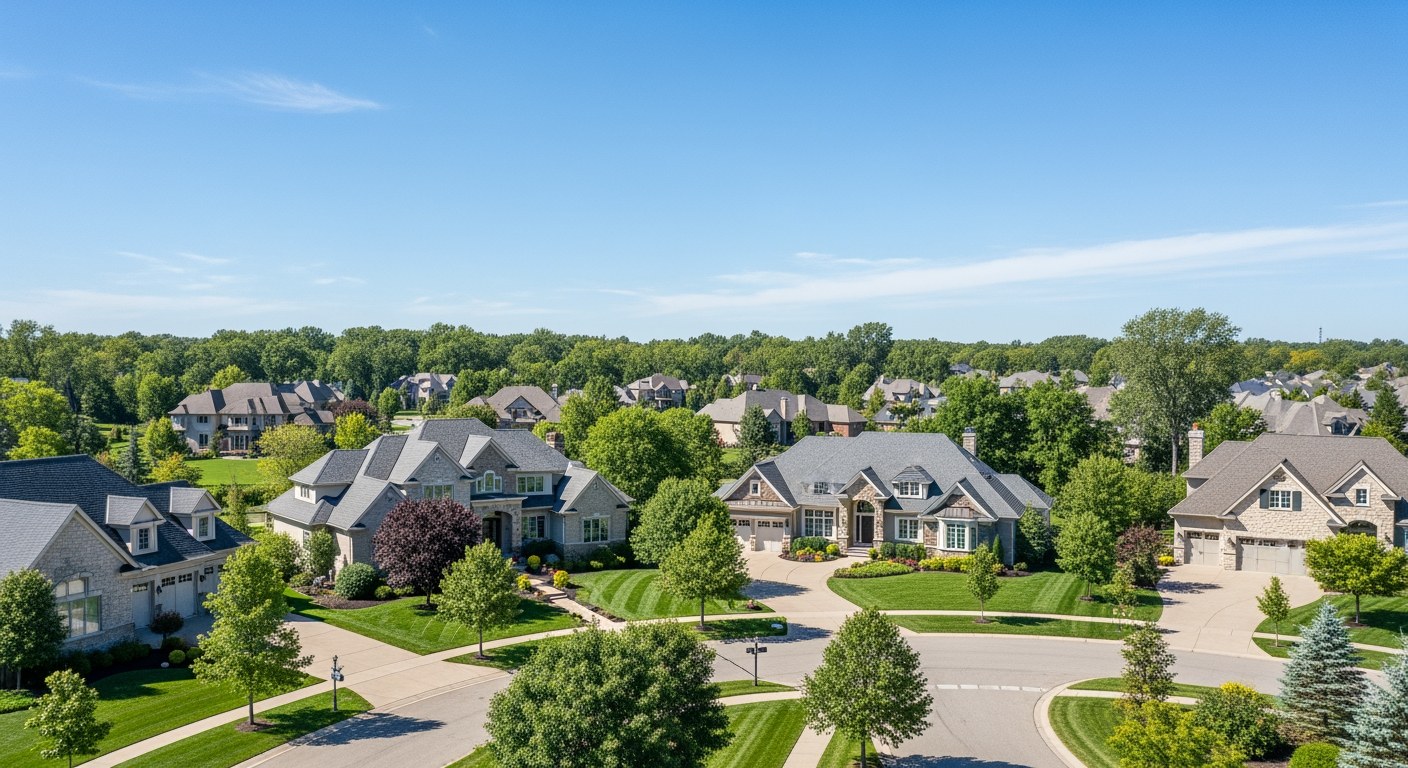
Partners Restoration team members live and work in the communities we serve — Medina, Plymouth, Wayzata, Orono, Minnetonka, Long Lake, Maple Grove. We understand the specific construction patterns common in this area: mid-century colonials in older Wayzata neighborhoods, custom builds in Medina and Orono, newer construction in Maple Grove. Different construction types respond differently to fire and smoke damage, and local familiarity affects how we scope and execute restoration work.
We maintain relationships with local building departments, which matters when permits are required for structural repairs. Permit processes vary between Plymouth, Medina, Minnetonka, and surrounding municipalities — and a contractor familiar with local inspection requirements moves through approvals more efficiently.
Frequently Asked Questions: Fire Damage Restoration in Minneapolis
How quickly should I call a restoration company after a fire?
Call immediately — within hours if possible. The first 24 to 72 hours after a fire are critical for preventing secondary damage from water, soot penetration, and the onset of mold growth. Emergency response also ensures your property is secured and documented before anything is disturbed.
Can I stay in my home during fire damage restoration?
In most cases involving smoke damage beyond a single room, temporary relocation is recommended. Soot particles are a health hazard, chemical cleaning agents require ventilation, and odor elimination treatments require the space to be unoccupied. Your homeowner’s insurance policy typically covers additional living expenses during displacement.
Will my belongings be salvageable after a fire?
The answer depends on material type, proximity to the fire, and how quickly restoration begins. Porous soft goods absorb smoke odor deeply and may not be cleanable. Hard surfaces — furniture, appliances, dishes — are often salvageable with professional cleaning. A restoration contractor provides a contents assessment distinguishing cleanable from non-cleanable items for your insurance claim.
Does fire damage restoration include smoke smell removal?
Yes. Professional smoke odor elimination is a core component of fire damage restoration. It involves chemical neutralization of odor compounds using hydroxyl generators, ozone treatment, or thermal fogging — technologies that eliminate the odor rather than masking it.
Does Partners Restoration work with insurance companies?
We work alongside all major homeowner’s insurance carriers serving the Minneapolis area. Our documented scopes of work and photographic evidence packages are designed to support efficient claim processing.
Is fire damage restoration covered by homeowner’s insurance?
Most standard homeowner’s insurance policies in Minnesota cover fire damage from sudden, accidental fires — including restoration costs, contents damage, and temporary living expenses. Review your policy limits and deductible before filing.
Service Areas: Fire Damage Restoration Near You
Partners Restoration provides fire damage restoration throughout the Minneapolis western suburbs, including Medina, Plymouth, Wayzata, Minnetonka, Orono, Long Lake, Maple Grove, Rogers, Delano, Loretto, Hamel, Corcoran, and St. Bonifacius. For properties in Minneapolis proper and the eastern metro, we extend service on a case-by-case basis — contact us to confirm availability.
If you are dealing with fire damage now, call Partners Restoration for emergency response throughout the Twin Cities western suburbs. Our IICRC-certified technicians are available around the clock because fire damage rarely happens on a convenient schedule.
Leave A Comment