
?
Mold is Minnesota’s quiet structural problem. The Twin Cities metro creates near-ideal conditions for mold growth through a specific mechanism: extreme temperature differentials between heated interior spaces and Minnesota’s sub-zero winters produce condensation within wall cavities, attic assemblies, and crawl spaces that remains trapped for months. By the time visible mold appears, the colony has often been developing behind finished surfaces for weeks or longer.
Partners Restoration provides professional mold remediation throughout Minneapolis, Edina, Wayzata, Plymouth, Maple Grove, Minnetonka, Medina, Orono, and surrounding communities. IICRC S520-compliant: containment, negative air pressure, HEPA filtration, controlled demolition, antimicrobial treatment, and post-remediation clearance testing.
Why Minnesota Homes Grow Mold Differently
The Crawl Space Problem
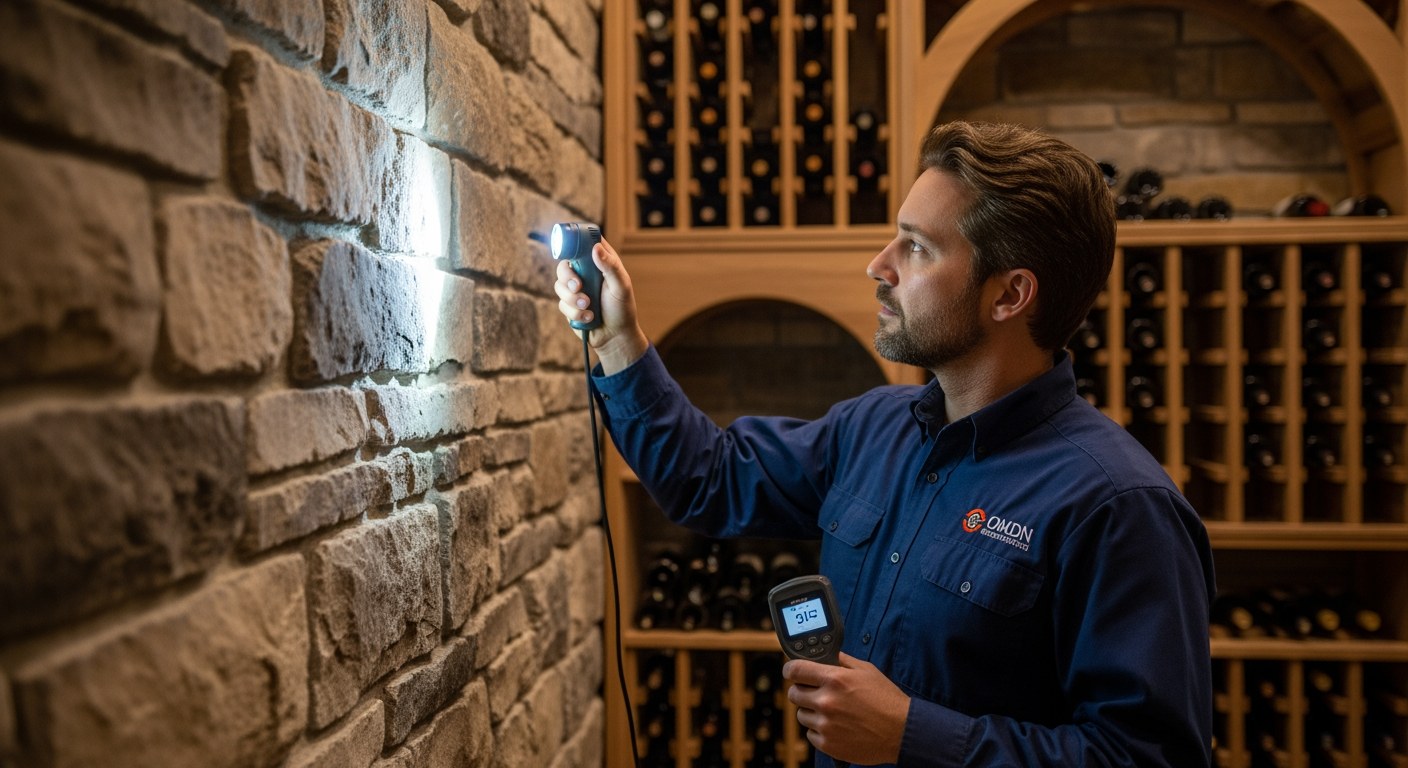
Minnesota has hundreds of thousands of homes with unconditioned or vented crawl spaces. In summer, warm humid outdoor air enters and contacts cold framing members, depositing moisture that feeds mold colonies on wood framing, rim joists, and subfloor assemblies. Partners Restoration’s crawl space assessments include thermal imaging and moisture readings of all accessible framing.
The Attic Problem
Attic mold in Minneapolis-area homes is almost universally caused by: inadequate ventilation, air leakage from conditioned space below, or bath/kitchen exhaust fans terminating into the attic rather than exterior. All three cause warm humid air to condense on cold attic sheathing during Minnesota winters. Black mold on roof decking is one of the most common mold jobs Partners performs in Plymouth, Maple Grove, and Eden Prairie.
The Finished Basement Problem
Minnesota’s love of finished basements – a cultural fixture of Twin Cities home design driven by the need for year-round indoor living space – creates ideal mold conditions when moisture intrusion occurs. Fiberglass batt insulation against concrete foundation walls is a mold incubator. Carpet on concrete slab wicks moisture from below. A finished basement mold event is fully remediable but requires properly scoped demolition, drying, and reconstruction – not surface treatment.
The Mold Remediation Process: What IICRC S520 Requires
Assessment and Air Sampling
Mold remediation begins with professional assessment including visual inspection, moisture mapping with thermal imaging, and – when warranted – indoor air quality (IAQ) testing with samples analyzed by an accredited laboratory. Partners coordinates with independent certified industrial hygienists (CIHs) when testing is required for documentation, insurance, or health purposes.
Containment and Negative Air Pressure
Before any demolition, the work area is isolated with polyethylene sheeting. HEPA-filtered negative air machines create negative air pressure inside the containment zone – air flows from clean areas into the contaminated zone, not the reverse. This prevents mold spores disturbed during work from spreading throughout the HVAC system and unaffected rooms. Disturbing mold without containment is the primary reason mold events reoccur after budget remediation.
Controlled Demolition
Mold-affected materials – drywall, insulation, wood framing with surface penetration – are removed under contained conditions and double-bagged in 6-mil polyethylene. Removal boundary extends a minimum of 2 feet beyond visible mold growth into clean material.
HEPA Vacuuming, Antimicrobial Treatment, and PRV Testing
All surfaces are HEPA-vacuumed to remove residual spores, then treated with EPA-registered antimicrobials. Partners conducts post-remediation verification (PRV) testing before reconstruction: air samples analyzed by an accredited laboratory and compared to outdoor baseline. Clearance is achieved when interior mold spore counts are at or below outdoor levels. This documentation is provided to homeowners for insurance records and future property disclosure.
Reconstruction That Prevents Recurrence
After clearance, Partners rebuilds using proper reconstruction – not reinstalling the conditions that caused the event. Closed-cell spray foam against foundation walls instead of fiberglass batts. Luxury vinyl plank instead of carpet on slab. Mold-resistant drywall in below-grade applications. The reconstruction phase makes the affected area permanently resistant to recurrence.
Mold in High-Value Homes
Mold remediation in the luxury custom homes of Wayzata, Orono, Edina, and Medina presents challenges standard companies cannot handle. Wide-plank hardwood requires specialized moisture assessment before demolition decisions are made. Custom cabinetry that cannot be sourced from standard suppliers must be documented for insurance replacement and reproduced by Twin Cities fabricators to original specifications. Architectural millwork – crown profiles, built-in shelving, coffered ceilings – requires artisan-level reconstruction matching original profiles. HVAC duct systems frequently require NADCA-certified cleaning as part of whole-home remediation.
Mold and Your Homeowner’s Insurance Policy
Mold from a covered peril – burst pipe, roof storm damage, appliance failure – is typically covered as part of the original water damage claim. Mold from long-term moisture intrusion or groundwater is often excluded or subject to sublimits. Partners provides laboratory test results, moisture log histories, photo documentation, and IICRC-standard scope-of-work documentation that adjusters require to approve full remediation coverage.
Frequently Asked Questions About Mold Remediation Near Me
How do I know if I have mold behind my walls?
Common indicators: musty odors in specific rooms, visible discoloration at drywall seams or near baseboards, recent water damage history, unexplained respiratory symptoms. Professional moisture assessment and air sampling provide definitive identification.
Is mold remediation covered by homeowner’s insurance in Minnesota?
Mold from a covered water loss is usually covered. Mold from gradual moisture intrusion is frequently excluded or subject to sublimits. Partners works directly with your adjuster to maximize recoverable coverage.
How long does professional mold remediation take?
Simple events: 1-2 days. Larger events involving finished basements or attic assemblies: 3-7 days for remediation plus reconstruction time.
Can I stay in my home during mold remediation?
For isolated small-scope events, occupancy may be feasible. For larger events requiring significant HEPA negative pressure work in living spaces, temporary relocation is often recommended. Partners coordinates additional living expense (ALE) claims with your carrier.
How do I prevent mold from coming back?
By eliminating moisture sources – not by using antimicrobial paints. Partners identifies the moisture pathway and addresses it structurally: proper vapor barriers, closed-cell insulation at foundation walls, corrected exhaust fan terminations, crawl space encapsulation.
Related Resources from Partners Restoration
- Water Damage Restoration Near Me – Minneapolis – 24/7 emergency water damage response for Twin Cities homes.
- Ice Dam Damage Repair Minnesota – Ice dams are a primary driver of attic and wall mold in Minneapolis homes.
- Bathroom Remodel Minneapolis – When mold remediation exposes a bathroom that needs renovation.
Need professional help? Learn more about our comprehensive mold remediation services in Minneapolis and how PartnersCOS can help restore your home.
Leave A Comment