Mold inspection is a visual and instrument-based examination of a building by a trained professional to identify moisture conditions, visible mold growth, and suspected hidden mold. Mold testing involves laboratory analysis of air samples or surface samples to identify mold species and quantify spore concentrations. The two are related but serve different purposes – and not every situation requires both.
Partners Restoration connects Minneapolis western suburb homeowners with qualified mold inspectors and coordinates remediation and clearance testing as part of our comprehensive mold remediation Minneapolis service. Understanding which service you need – inspection, testing, or both – is the first step.
What a Mold Inspection Covers
A professional mold inspection by an IICRC-certified or Council-certified Microbial Investigator (CMI) includes: visual examination of all accessible areas for visible mold growth, moisture meter readings across suspect surfaces to identify elevated moisture content, thermal imaging to identify temperature differentials that indicate hidden moisture, review of the building’s water intrusion history and HVAC system, and a written report with findings and recommendations.
A qualified inspector can often determine the need for remediation and provide a scope recommendation based on visual findings alone – particularly when visible mold growth is the presenting issue. Testing is not always required before remediation can begin.
When Mold Testing Is Warranted
- Pre-purchase inspection: When buying a home, air sampling establishes a baseline and identifies whether elevated spore concentrations are present – even without visible mold. This provides objective data for negotiating remediation as part of the purchase.
- Health concerns: When occupants have unexplained respiratory symptoms, allergy symptoms, or other health effects that improve when they leave the building, air sampling can document whether elevated mold concentrations are present and identify the species involved.
- Post-remediation clearance: After professional mold remediation, air sampling by an independent inspector verifies that spore concentrations have returned to levels consistent with the outdoor baseline. This is the most important use of mold testing – it documents that the remediation was successful.
- Legal or insurance documentation: When mold is part of an insurance claim or legal dispute, objective laboratory data from a certified testing laboratory provides defensible documentation of the conditions at issue.
Types of Mold Tests
Air sampling (spore trap)
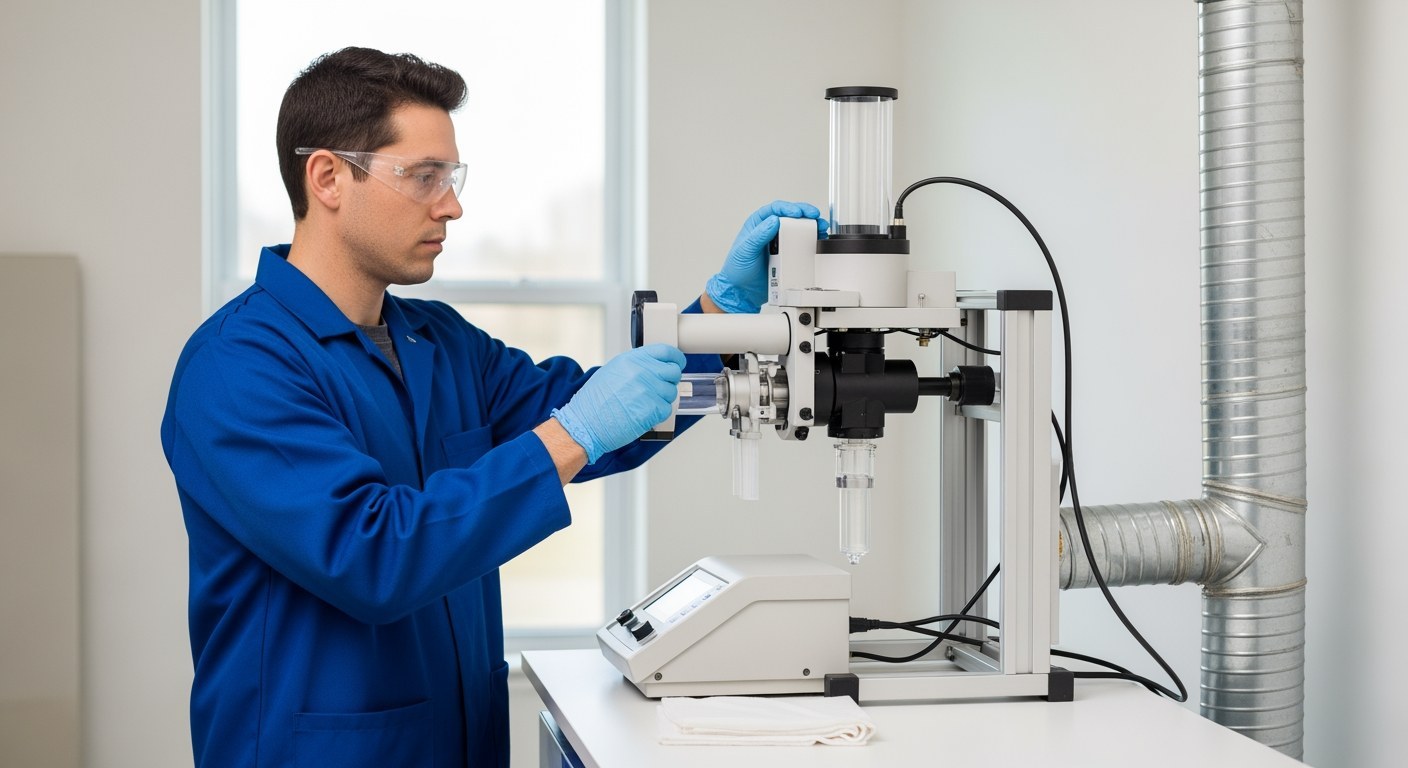
A calibrated air pump draws a measured volume of air through a sticky slide that captures airborne spores. The slide is analyzed under microscopy by a certified laboratory to identify and count spores by genus. Air sampling captures total spore load – both viable (living) and non-viable (dead) spores – and compares indoor concentrations to an outdoor baseline sample taken at the same time. Results are available within 24-72 hours from most laboratories.
Surface sampling (tape lift or swab)
A sticky tape or swab is applied directly to a suspect surface to collect spores and hyphal fragments for laboratory analysis. Surface sampling confirms that a visible growth is mold (rather than dirt or other discoloration) and identifies the genus. Surface sampling does not provide quantitative data about the concentration of mold in the air and is not a substitute for air sampling in assessing overall contamination levels.
ERMI (Environmental Relative Moldiness Index)
ERMI testing uses a settled dust sample (vacuumed from carpet or other surfaces) analyzed by DNA-based methods (MSQPCR) to identify and quantify mold species. ERMI provides a composite picture of mold exposure in the home over time – useful for evaluating chronic exposure – but is less useful for pinpointing active mold sources than air sampling. ERMI is most commonly used in research contexts and for post-remediation verification in chronic moisture situations.
Interpreting Results: What Are Normal Mold Levels?
There is no universal regulatory standard for “acceptable” indoor mold levels – neither the EPA nor OSHA has established specific numerical thresholds. The standard used by IICRC-certified remediators and industrial hygienists is comparison to the outdoor baseline: indoor spore concentrations should be at or below outdoor levels, and the species distribution should reflect what is present outdoors rather than species primarily associated with water-damaged building materials (such as Stachybotrys, Chaetomium, or high concentrations of Penicillium/Aspergillus).
Frequently Asked Questions
Should I test for mold before calling a remediation contractor?
Not necessarily. If visible mold growth is present, a qualified inspector can assess the scope and recommend remediation without formal air testing. Testing is most valuable when mold is suspected but not visible, when health concerns require documentation, or for post-remediation clearance. Beginning with an inspection rather than testing is often more efficient and less expensive as a first step.
Can the same company do both the mold testing and the remediation?
For clearance testing – the post-remediation verification – the tester must be independent of the remediation contractor to provide an unbiased assessment. Using the same company for both testing and remediation creates a conflict of interest that compromises the value of the clearance result. Partners does not perform its own clearance testing – we refer to independent industrial hygienists and mold inspectors for all post-remediation verification.
How much does a mold inspection cost in Minneapolis?
A professional mold inspection in the Minneapolis metro typically costs $300-$600 for a single-family home, depending on the home’s size and the scope of the inspection. Air sampling adds laboratory analysis costs – typically $30-$50 per sample, with 3-5 samples being typical for a standard assessment. Total testing costs for a standard residential inspection run $400-$900. Post-remediation clearance testing is typically $300-$500 for 2-3 samples.
Need professional help? Learn more about our professional mold remediation in Minneapolis and how PartnersCOS can help restore your home.
Leave A Comment