
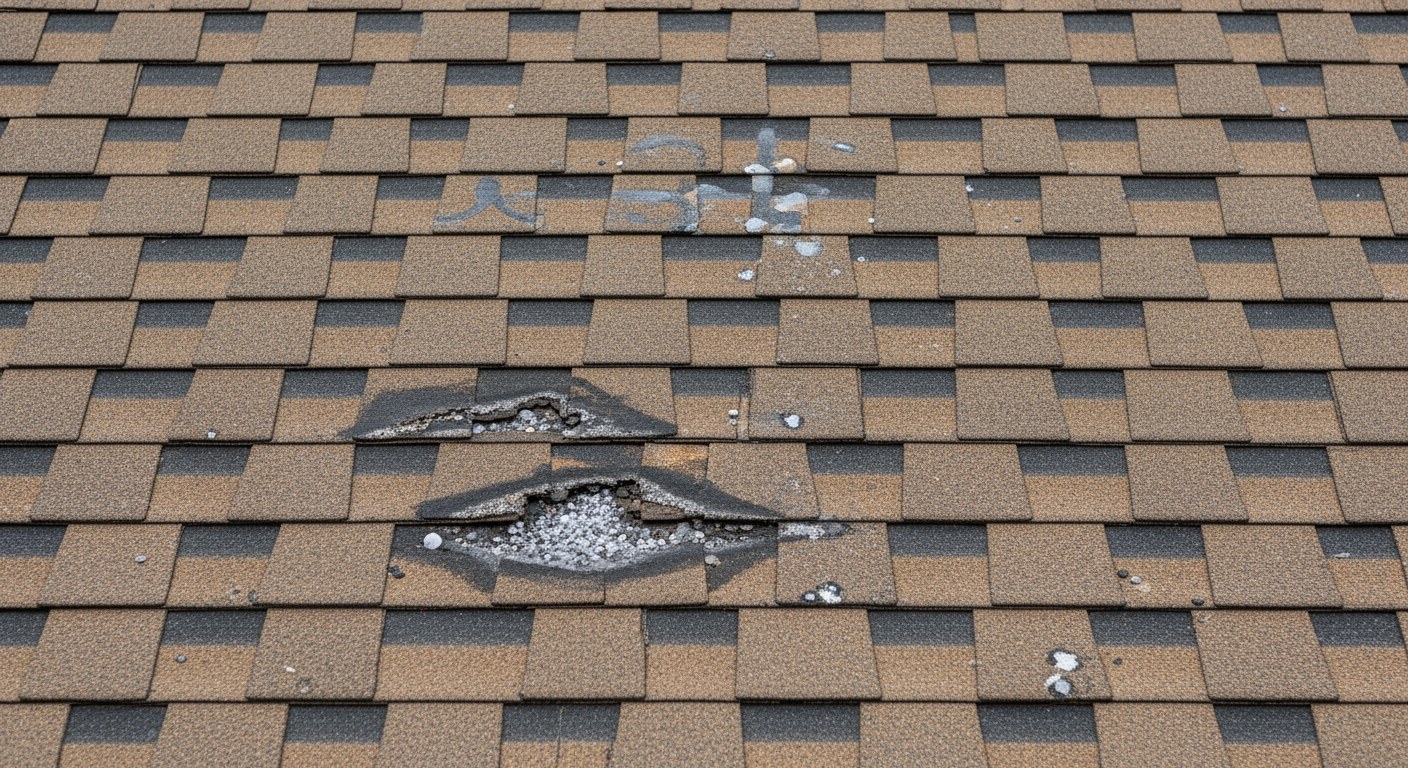
Hail damage roof repair addresses functional damage to roofing materials — asphalt shingles, metal roofing, flat roofing systems, and associated components — caused by hailstone impact. Functional hail damage reduces the roof’s ability to shed water and accelerates material degradation; it is distinct from cosmetic damage (surface marks without underlying structural impact) which is treated differently under Minnesota insurance law.
Partners Restoration handles hail damage assessment and interior water damage restoration following roof failures across the Minneapolis western suburbs as part of our storm damage restoration Minneapolis service. We coordinate with your roofing contractor and insurance adjuster, document functional damage to support your claim, and restore any interior water damage that resulted from the compromised roof.
Minnesota’s Hail Exposure
The Twin Cities metro and western suburbs sit in one of the most hail-active corridors in the United States. According to the National Oceanic and Atmospheric Administration (NOAA), Minnesota averages 12–20 hail events per year producing stone sizes of 1 inch or larger — the threshold at which functional damage to standard residential roofing begins. The Lake Minnetonka corridor (Minnetonka, Wayzata, Orono, Deephaven, Excelsior) has historically experienced some of the highest hail frequency in Hennepin County.
Hail season in Minnesota runs from late April through September, with peak activity in June and July when warm, unstable air masses from the southwest interact with cool Canadian air. A single severe hail event can damage roofs on thousands of homes across the metro simultaneously — creating contractor backlogs and insurance claim volumes that stretch processing times significantly.
What Hail Damage Looks Like on Different Roofing Materials
Asphalt shingles
Hail impact on asphalt shingles creates granule loss — the protective mineral granules embedded in the shingle surface are knocked free, exposing the underlying asphalt and fiberglass mat. On aged shingles, you may see circular impact marks with granule displacement. On newer shingles, the impact may bruise the mat below the granule surface — creating a soft spot detectable by feel — without obvious surface marks visible from the ground. This is why professional roof-level assessment, not ground observation, is the standard for hail damage evaluation. The Haag Engineering hail damage assessment protocol — used by Minnesota insurance carriers — requires hands-on inspection at roof level.
Metal roofing
Standing seam metal roofing dents visibly from significant hail impact. The functional question is whether dents have compromised the roof’s water-shedding performance — typically they have not unless seams or penetrations were affected. Metal roofing hail damage is primarily cosmetic under most conditions and may not trigger replacement coverage. Review your policy’s cosmetic damage exclusion language — some Minnesota carriers have introduced cosmetic damage exclusions that specifically exclude hail denting of metal roofing.
Gutters and soft metals
Aluminum gutters, downspouts, fascia, and HVAC condenser fins are often the most visibly obvious evidence of a hail event — the dimpling on soft metal is immediately apparent and documents that hail of damaging size occurred at the property. Photographs of dented gutters at the time of the loss establish the weather event for the insurance record. Gutter damage from hail is covered under most Minnesota policies and should be included in the claim scope.
Hail Damage and the Insurance Claim Process
Minnesota’s cosmetic damage statute (Minn. Stat. § 65A.30) governs how carriers must treat cosmetic versus functional hail damage. Functional damage — damage that affects the roof’s ability to perform its intended function — must be covered. Cosmetic damage — marks, dimpling, or surface changes that do not affect performance — may be excluded under a cosmetic damage endorsement. Many Minnesota homeowners do not know whether their policy includes this exclusion until they file a claim.
The standard for “functional damage” under Minnesota insurance law is whether a reasonable person familiar with roofing would consider the damage to affect performance. Granule loss creating bare spots on asphalt shingles is functional damage — the mat is exposed to UV and water infiltration. Dents on metal roofing without seam or penetration compromise are typically cosmetic. Partners documents functional damage items specifically in our scope of loss, distinguishing them from cosmetic items to strengthen your claim.
Frequently Asked Questions
How long after a hail storm can I file a claim?
Most Minnesota homeowner policies require claims to be filed within one year of the date of loss, though some policies have shorter windows. File as soon as damage is discovered — the longer you wait, the more difficult it becomes to establish that specific damage resulted from a specific weather event. NOAA weather records and local hail reports can document the event date for claims filed after the fact.
My neighbor got a new roof from the same storm — why did my claim get denied?
Several factors can explain this: differing roof ages (older shingles show functional damage at lower impact thresholds than newer shingles), differing roof slopes (steeper slopes receive more direct impact), differing adjuster assessments, or a cosmetic damage exclusion on your policy that your neighbor’s policy does not have. A denial is not final — you have the right to dispute the assessment and request a re-inspection or appraisal under the policy’s dispute resolution provisions.
Should I repair or replace my roof after hail damage?
When hail damage is widespread across the entire roof surface, repair is rarely cost-effective or technically sound — patching damaged shingles among aging undamaged shingles creates appearance mismatch and accelerates differential aging. Full replacement to a matching or upgraded roofing system is almost always the appropriate scope for a hail-damaged roof where functional damage is present on a significant percentage of the surface area.
Leave A Comment