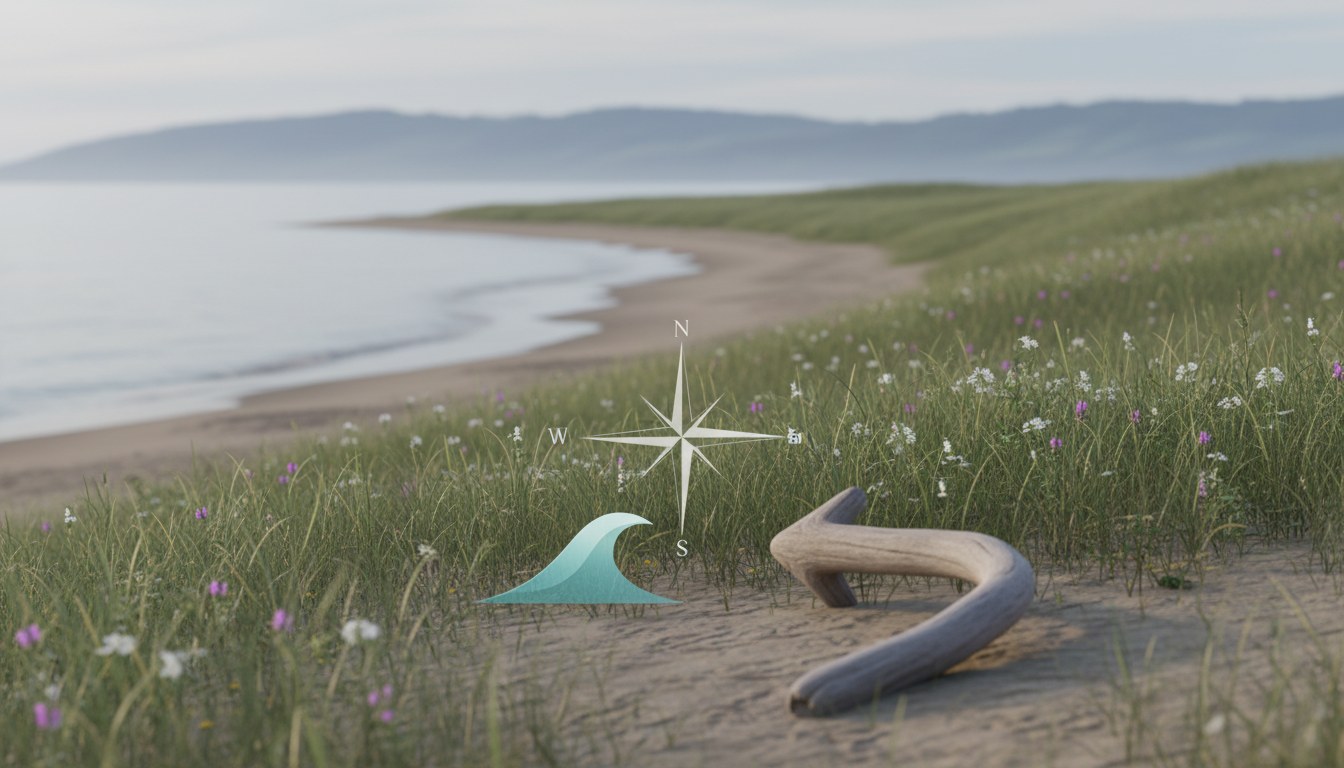
In the heart of Medina, the Wild Meadows community stands as a testament to the harmonious integration of luxury estate living and environmental stewardship. For residents of this exclusive enclave, the “meadow” is more than a name—it is a commitment to a conservation-based lifestyle. However, as many homeowners are discovering, the very water features that provide such serene vistas—the pristine wetlands, ponds, and meandering drainage ways—require a sophisticated approach to maintenance. Wild Meadows shoreline restoration is not merely a landscaping task; it is a complex intersection of civil engineering, ecological science, and strict regulatory adherence.
For high-net-worth individuals in the West Metro, particularly those in Medina, Orono, and Wayzata, property value is inextricably linked to the health of the surrounding landscape. A receding shoreline or a clogged riparian buffer doesn’t just detract from the aesthetic of a multi-million dollar estate; it represents a loss of land and a potential liability under local watershed mandates. Navigating these waters requires a partner who understands both the prestige of the address and the technicalities of the soil.
The Ecological Significance of the Wild Meadows Landscape
Wild Meadows was designed as a “conservation development,” meaning over half of the land is preserved as open space. This creates a unique ecosystem where residential lawns transition into high-quality native prairies and wetlands. Because these areas are interconnected, a failure in shoreline stability on one lot can have a cascading effect on the entire neighborhood’s water quality.
Effective shoreline restoration in this context focuses on three primary goals:
- Erosion Mitigation: Preventing the gradual loss of land due to wind, wave action, or ice heave.
- Water Quality Protection: Utilizing native deep-rooted vegetation to filter nutrient runoff before it enters the watershed.
- Habitat Preservation: Maintaining the corridors that support Minnesota’s native waterfowl and pollinators.
Navigating the Regulatory Framework: MCWD and Beyond
For residents in Medina and the surrounding West Metro, the primary governing body for shoreline work is the Minnehaha Creek Watershed District (MCWD). Unlike standard municipal zoning, MCWD regulations are stringent and focused on the long-term impact of any soil disturbance or hardscaping near the water’s edge.
Engaging in a Wild Meadows shoreline restoration project without the proper permits can lead to significant fines and the mandatory removal of non-compliant structures. The regulatory navigation involves several steps:
1. Delineation and Assessment
Before any earth is moved, a professional must identify the Ordinary High Water Level (OHWL) and delineate any wetland boundaries. This determines the jurisdiction of the MCWD versus the Minnesota DNR.
2. Best Management Practices (BMPs)
Regulators favor “soft armoring” techniques. This means that while traditional rock riprap may be used in high-energy areas, the emphasis is often on bioengineering—using natural materials like coir logs and native plantings to stabilize the bank.
3. Long-term Maintenance Agreements
Many permits come with the requirement of a recorded maintenance agreement. This ensures that the restoration remains functional and that invasive species like Reed Canary Grass or Buckthorn do not reclaim the area.
Engineering Aesthetic Excellence
The challenge for Wild Meadows residents is balancing the “wild” look of a restored shoreline with the manicured expectations of a luxury estate. High-end restoration isn’t about letting the shoreline go to weeds; it’s about “curated ecology.”
By utilizing a palette of native wildflowers (like Swamp Milkweed or Blue Flag Iris) and sedges, engineers can create a vibrant, flowering buffer that rivals any traditional perennial garden in beauty while providing superior structural integrity. The result is a shoreline that looks intentional, prestigious, and permanent.
Comparison of Restoration Methodologies
Choosing the right approach depends on the slope of the bank, the velocity of the water, and the specific aesthetic goals of the homeowner. Below is a breakdown of common techniques used in the Medina and Orono areas.
| Methodology | Description | Regulatory Approval Level | Primary Benefit |
|---|---|---|---|
| Bioengineering | Use of coir logs, willow stakes, and encapsulated soil lifts. | Highly Preferred | Natural appearance; excellent habitat creation. |
| Native Buffers | Extending native vegetation 15–25 feet inland from the water. | Required/Encouraged | Superior nutrient filtration and erosion control. |
| Structural Riprap | Placement of natural fieldstone or limestone over filter fabric. | Conditional | Immediate protection against high-energy wave action. |
| Integrated Design | A blend of structural stone and native plant pockets. | Highly Supported | Balances structural permanence with ecological health. |
Frequently Asked Questions
How long does a shoreline restoration project take to complete?
The physical installation often takes 1–2 weeks, depending on the scale. However, the permitting process with the MCWD and the city of Medina can take 60–90 days. It is critical to begin the planning phase well in advance of the spring or fall planting seasons.
Will a restored shoreline attract unwanted pests?
A common misconception is that native buffers attract mosquitoes. In reality, a healthy, diverse shoreline supports dragonflies and other natural predators that keep mosquito populations in check. Furthermore, deep-rooted native plants do not provide the same food source for Canada Geese as short, manicured turf grass, often helping to keep geese away from your lawn.
Does shoreline restoration increase property value?
In conservation-focused communities like Wild Meadows, a professionally engineered and permitted shoreline is a significant asset. It protects the acreage of the lot and ensures the property is in full compliance with environmental laws, which is a key point of due diligence during high-end real estate transactions.
The Path Forward for Your Estate
The shorelines of Wild Meadows are part of a larger, delicate system that feeds into the Minnehaha Creek and eventually Lake Minnetonka. As a resident, your role as a steward is vital. Restoration is an investment in the longevity of your land and the legacy of the West Metro’s natural beauty.
Consult with a Regulatory Expert
Ensure your estate remains a bastion of environmental excellence and aesthetic beauty. Our team specializes in navigating the complexities of MCWD permitting and the unique ecological requirements of Medina properties. Contact us today for a site assessment and take the first step toward a resilient, beautiful shoreline.
Leave A Comment