Structural Stabilization for Historic Orono Estates
In the exclusive enclaves of Orono, where the legacy of Lake Minnetonka’s architectural history is preserved in sprawling estates and century-old manors, the passage of time presents a unique set of engineering challenges. As an architectural and custom home developer specializing in the restoration of these landmarks, we understand that maintaining a historic property is not merely about aesthetic preservation; it is about ensuring the structural skeleton remains resilient against the elements and the shifting Minnesota soil.
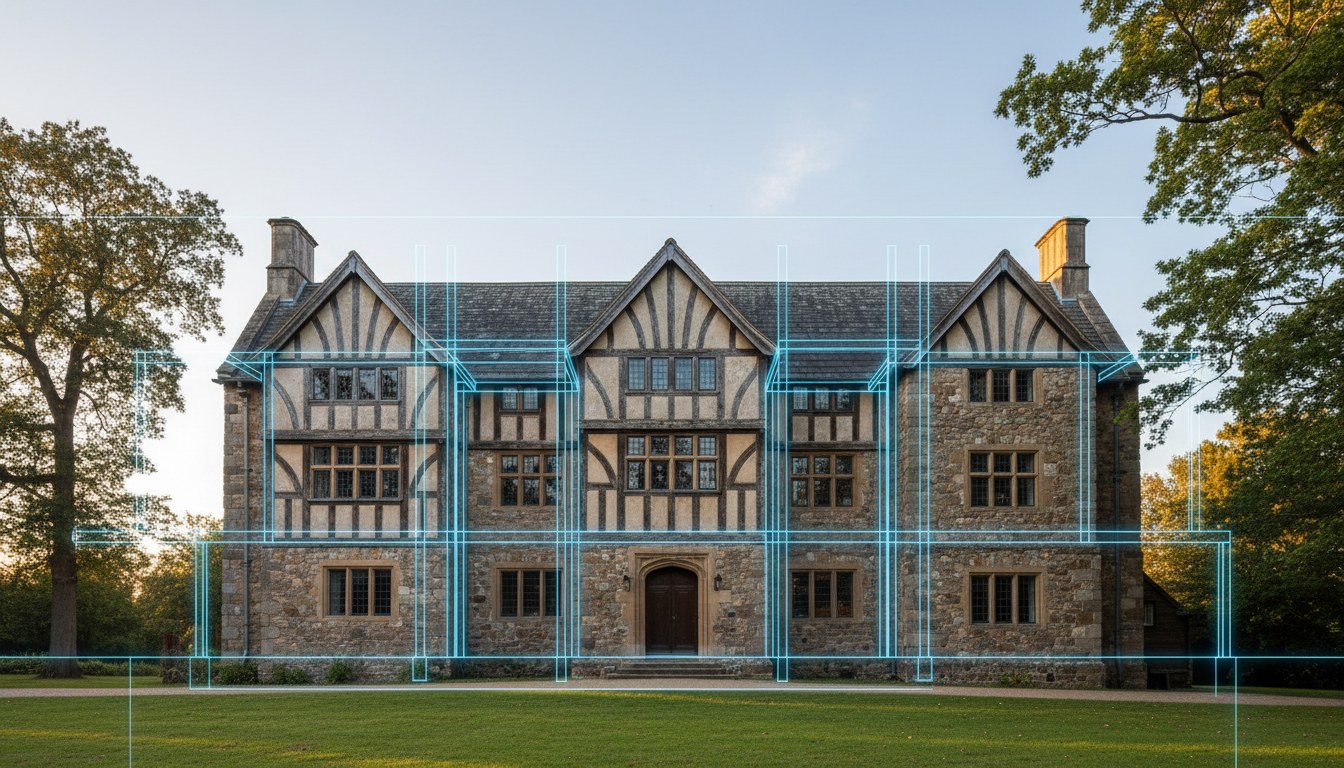
The demand for high-caliber Orono structural repair has grown as many of the area’s premier residences approach their centennial milestones. These structures, often built on complex lake-adjacent topography, require a sophisticated blend of traditional craftsmanship and modern geotechnical engineering to survive for another century without compromising their historic character.
The Unique Geotechnical Landscape of Orono
Orono’s geography, defined by its proximity to Lake Minnetonka and its rolling wooded hills, offers a picturesque backdrop but poses significant risks to heavy masonry and timber-framed structures. Many historic estates were constructed on foundations that, while robust for their time, did not account for the long-term effects of hydrostatic pressure and the freeze-thaw cycles characteristic of the region.
Common issues we encounter in the field include:
- Differential Settlement: Uneven sinking of the foundation due to varying soil densities near the shoreline.
- Hydrostatic Pressure: Excessive moisture in the soil pushing against foundation walls, leading to bowing or horizontal cracking.
- Degraded Masonry: The breakdown of original lime-based mortars in rubble stone or brick foundations.
Advanced Methodologies for Structural Stabilization
When approaching an Orono structural repair project, our philosophy is “intervention without intrusion.” We employ advanced stabilization techniques that reinforce the home’s integrity from the ground up, often working from the interior or deep sub-grade levels to avoid disturbing the meticulously landscaped grounds or the historic facade.
Helical Piering and Underpinning
For estates suffering from foundation settlement, helical piers are the gold standard. These steel shafts with helical plates are screwed deep into the stable load-bearing strata beneath the loose lakeside soil. By transferring the weight of the home to these piers, we can often lift the foundation back to its original elevation, closing cracks in the upper-story plaster and restoring the alignment of custom-milled doors and windows.
Carbon Fiber Reinforcement
In cases where foundation walls have begun to bow due to lateral soil pressure, we utilize aerospace-grade carbon fiber straps. These are bonded to the interior walls, providing immense tensile strength that prevents further movement. This method is particularly favored in historic Orono renovations because it is low-profile and can be easily concealed behind finished basement walls or historical millwork.
Preserving Architectural Integrity During Repair
The primary concern for any Orono estate owner is the preservation of the home’s “soul.” Structural stabilization should never result in the loss of original materials. Our team works closely with preservationists to ensure that if a portion of a foundation must be rebuilt, we source period-accurate stone and use custom-blended mortars that match the original chemical composition and color. This ensures that the new structural elements breathe at the same rate as the old, preventing the premature decay often caused by modern Portland cements used in historic contexts.
Stabilization Comparison Matrix
Choosing the right method for structural reinforcement depends on the specific failure points identified during our diagnostic phase. The table below outlines common interventions used in Orono estate restoration.
| Method | Primary Use Case | Preservation Impact | Expected Longevity |
|---|---|---|---|
| Helical Piles | Foundation Settlement | Low (Sub-grade) | 100+ Years |
| Carbon Fiber Straps | Wall Bowing/Lateral Shift | Minimal (Paintable) | Lifetime of Structure | Pressure Grouting | Soil Voids/Density Issues | Zero Visual Impact | 50-75 Years |
| Timber Frame Retrofitting | Structural Sagging | Moderate (Internal) | Indefinite |
Frequently Asked Questions
How do I know if my Orono estate needs structural repair?
Look for tell-tale signs such as windows that no longer open smoothly, diagonal cracks appearing above door frames, or visible gaps between the chimney and the main exterior wall. In older homes, a “sloping” floor is often more than just “character”—it is a sign of joist or foundation fatigue.
Will structural stabilization affect my home’s historical designation?
Generally, no. Because most stabilization work is “invisible”—occurring underground or within the wall assemblies—it typically satisfies the Secretary of the Interior’s Standards for the Treatment of Historic Properties. Our team handles the necessary documentation to ensure compliance with local Orono heritage boards.
What is the typical timeline for an Orono structural repair project?
Stabilization projects vary based on the scale of the estate. A standard underpinning project may take 2 to 4 weeks, while a comprehensive structural overhaul involving both the foundation and the internal timber frame can span several months. We prioritize a phased approach to minimize disruption to the residents.
The Future of Your Legacy
Historic homes are more than just real estate; they are legacies. Ensuring the structural stability of these properties requires a partner who respects the intersection of high-end engineering and architectural history. By addressing structural vulnerabilities today, you ensure that your Orono estate remains a landmark for generations to come.
Discuss your historic stabilization project with our lead engineer.
Leave A Comment