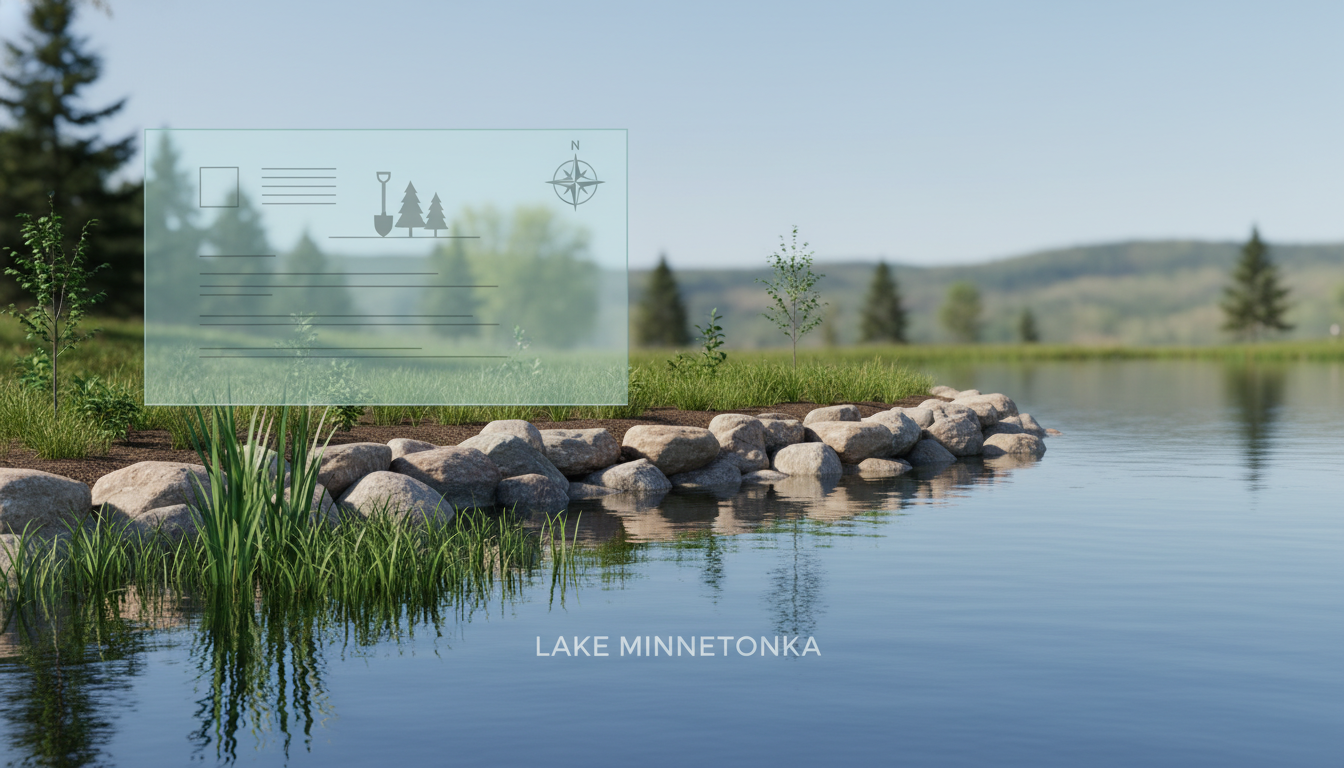
Living on the shores of Lake Minnetonka is a privilege that many of us cherish. Whether it’s the quiet morning fog over Wayzata Bay or the vibrant sunsets in Excelsior, our connection to the water defines our lifestyle. However, with that privilege comes a significant responsibility: stewardship. Over time, wave action from heavy boat traffic and natural ice heaves can take a toll on our shorelines, leading to erosion that threatens both the ecosystem and our property values. When it comes time to repair or restore your waterfront, the first and most critical hurdle is understanding MCWD restoration permits.
The Role of the Minnehaha Creek Watershed District (MCWD)
As fellow waterfront property owners, we often view our backyards as private sanctums. However, Lake Minnetonka is part of a complex hydrological system managed by the Minnehaha Creek Watershed District. The MCWD regulates shoreline activities to ensure that any changes we make do not negatively impact water quality, increase phosphorus runoff, or destroy vital fish and wildlife habitats.
The district’s “Rule B” specifically governs shoreline and riverbank stabilization. If you are planning to move soil, add rock (riprap), or plant a vegetative buffer, you are likely required to secure a permit before the first shovel hits the ground. Navigating these regulations can feel overwhelming, but they are designed to protect the very lake that makes our properties so valuable.
Why MCWD Restoration Permits are Essential
The permitting process isn’t just a bureaucratic formality; it is a safeguard. Without proper oversight, a poorly designed shoreline can fail within a few seasons, wasting thousands of dollars in materials and labor. Furthermore, unauthorized work can lead to significant fines and the mandatory removal of non-compliant structures.
By obtaining an MCWD restoration permit, you ensure that your project meets specific structural standards. These standards are tailored to the unique energy levels of your specific location on the lake—for example, a sheltered cove in St. Albans Bay has very different requirements than an exposed point on Lower Lake Minnetonka.
Approved Shoreline Stabilization Methods
The MCWD prioritizes “soft” or naturalistic approaches to shoreline management. As owners, we have three primary options when seeking a permit, categorized by their impact and the level of scrutiny they receive during the approval process:
1. Biological Engineering (Bioengineering)
This is the district’s preferred method. It involves using native plants, deep-rooted vegetation, and biodegradable materials (like coir logs) to stabilize the bank. Bioengineering is highly effective at filtering runoff and providing habitat, and it often receives the fastest permit approval. For those of us looking to maintain a “Northwoods” aesthetic, this is often the best choice.
2. Riprap Stabilization
Riprap involves placing a layer of natural stone over a geotextile fabric. While effective at breaking up wave energy, the MCWD has strict rules regarding its use. Rock must be well-graded, typically ranging from 6 to 12 inches in diameter, and the slope cannot be steeper than a 3:1 ratio (three feet horizontal for every one foot vertical). If your shoreline is experiencing high-energy wave action, riprap is often the standard, but it must be justified in your permit application.
3. Retaining Walls
In the eyes of the MCWD, retaining walls are a last resort. New vertical walls are rarely permitted because they reflect wave energy rather than absorbing it, which can cause erosion on neighboring properties. If you are seeking to repair an existing, legally established wall, you will need to provide extensive documentation and prove that bioengineering or riprap is not feasible.
Comparison of Shoreline Stabilization Methods
To help you decide which path is right for your property, the following table compares the three primary methods based on MCWD standards and typical project outcomes.
| Stabilization Method | Permit Difficulty | Environmental Impact | Typical Longevity | Best For… |
|---|---|---|---|---|
| Bioengineering | Low (Preferred) | Positive (Habitat & Filtering) | Long-term (Self-sustaining) | Sheltered bays and low-slope banks. |
| Rock Riprap | Moderate | Neutral | 20+ Years | High-traffic areas and steep slopes. |
| Retaining Walls | High (Strict Rules) | Negative (Reflects Energy) | 30+ Years (Variable) | Pre-existing structures only. |
Step-by-Step: The Permit Application Process
Based on our experience with Lake Minnetonka projects, the following steps will help streamline your application for MCWD restoration permits:
- Site Survey: You must have a clear map of your current shoreline, including the Ordinary High Water Level (OHWL). For Lake Minnetonka, the OHWL is 929.4 feet.
- Design Plan: Work with a qualified contractor or landscape architect to create a cross-section of the proposed work. This must show the depth of the rock, the type of fabric used, and the slope of the bank.
- Erosion Control Plan: The MCWD requires you to show how you will prevent silt and debris from entering the lake during construction (e.g., silt fences or turbidity barriers).
- Submission and Review: Once submitted, the MCWD staff will review the plans. They may request a site visit to verify the conditions. The review period can take anywhere from 15 to 60 days depending on the complexity.
Frequently Asked Questions
Do I need a permit to just add a little bit of rock to my beach?
Yes. Any placement of “fill” (which includes rock, sand, or soil) below the OHWL or within the shoreline buffer zone requires a permit. Small maintenance projects may qualify for a simplified “No-Permit-Required” letter, but you must still contact the district for verification.
What happens if I don’t get a permit?
The MCWD has active inspectors on the lake. If work is discovered without a permit, they can issue a “Stop Work Order.” You may be required to pay double the permit fees, and in many cases, you will be forced to remove the work and restore the bank to its original state at your own expense.
Can I do the work myself?
While homeowners can technically perform the work, the MCWD standards are quite technical. Most owners choose to hire a “Lake Minnetonka-savvy” contractor who understands the specific rock sizes and slope requirements mandated by the district.
Protecting the Legacy of the Lake
Restoring a shoreline is an investment in your home’s future. While the process of obtaining MCWD restoration permits may seem like a hurdle, it ensures that your project is built to last and that our collective waters remain clean for the next generation of Minnetonka boaters. By choosing the right materials and following the district’s guidelines, you are doing your part to preserve the beauty and health of our lake.
Ready to start your project?
Ensure your shoreline meets all local regulations and protects your investment.
Leave A Comment