
Managing a luxury estate in the West Metro is as much an exercise in risk mitigation as it is in aesthetic preservation. Whether you are overseeing a historic Tudor in Wayzata or a contemporary glass masterpiece on the shores of Lake Minnetonka, the physical structure is subject to a complex web of municipal ordinances that evolve far faster than the average insurance policy is updated. When disaster strikes—be it fire, wind, or water—the primary goal is restoration. However, there is a fundamental disconnect between what a standard insurance policy promises to “repair” and what the law requires you to “comply” with.
As a Certified Insurance Appraiser and Umpire, I have seen dozens of high-net-worth (HNW) claims stall not because of the damage itself, but because of the gap between indemnity and modern building codes. This is where Ordinance or Law Insurance Coverage Restoration becomes the most critical, yet frequently misunderstood, component of a property manager’s insurance portfolio. In this deep dive, we will explore why the “like-kind and quality” standard is no longer enough and how to ensure your assets are protected against the hidden costs of compliance.
The Indemnity Myth: Why “Like-Kind and Quality” Fails Today
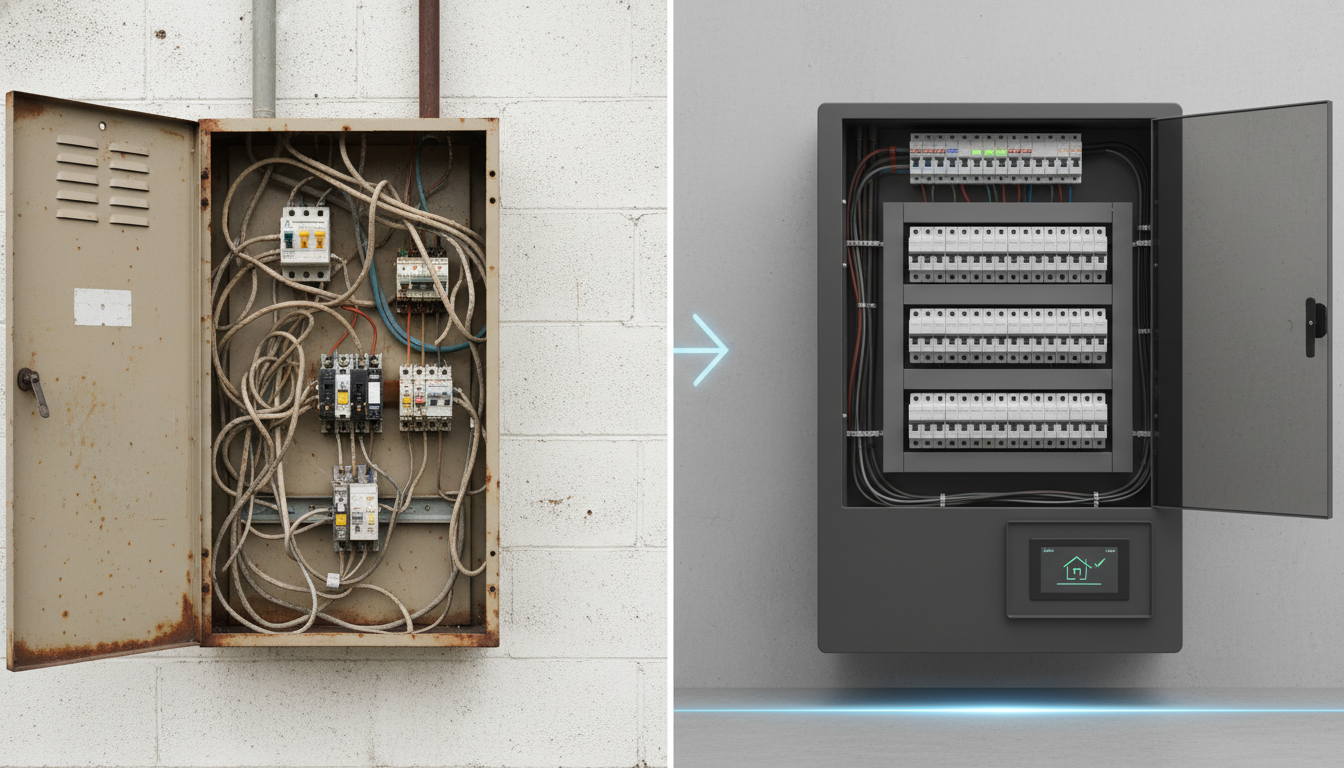
The traditional insurance contract is built on the principle of indemnity—the idea that the insured should be returned to the exact financial position they occupied prior to the loss. In property terms, this usually translates to “replacement cost” using materials of “like-kind and quality.” On paper, this sounds sufficient. If your 1990s-era electrical panel is destroyed, the carrier pays for a new 1990s-spec panel, right?
The myth lies in the assumption that the local building inspector will allow you to install that 1990s-spec panel. In the West Metro, municipal standards for energy efficiency, fire suppression, and electrical safety are among the most rigorous in the country. When a property sustains significant damage, the “like-kind” replacement is often illegal. If the current code requires a high-efficiency HVAC system, arc-fault circuit interrupters (AFCIs), and specific R-value insulation that didn’t exist when the home was built, the standard policy baseline will not cover the price difference. This difference is what we call “betterment,” and without specific endorsements, the carrier will categorize it as an out-of-pocket expense for the owner.
This creates a “compliance gap.” The carrier offers a substantial six-figure sumto repair the damage to 1995 standards, but the City of Orono requires a substantial six-figure sumin upgrades to issue a certificate of occupancy. Without the right coverage, the property owner is effectively self-insuring that a significant investmentdelta. For luxury managers, this is a catastrophic failure of the risk management plan.
Understanding the Triple Threat: Coverage A, B, and C
Ordinance or Law coverage is typically broken down into three distinct parts. Understanding these is essential for any forensic valuation of a potential claim.
Coverage A: Loss of the Undamaged Portion
Imagine a fire destroys a significant majority of a lakeside estate. Under many West Metro municipal codes, if a building is damaged beyond a certain threshold (often a substantial portion), the entire structure must be demolished and rebuilt to current codes. Even though a substantial portion of the house is perfectly fine, it is legally “totaled.” Coverage A pays for the value of that undamaged portion that the law requires you to tear down.
Coverage B: Demolition and Debris Removal
Standard policies cover the removal of “covered” debris. They do not necessarily cover the cost of tearing down the a substantial portion of the house that wasn’t touched by the fire but must be removed due to the “a substantial portion rule” mentioned above. Coverage B specifically handles the costs associated with the demolition of the undamaged parts of the structure.
Coverage C: Increased Cost of Construction
This is the most frequently triggered component in Ordinance or Law Insurance Coverage Restoration. Coverage C pays for the “betterment”—the additional cost to bring the damaged (and undamaged) portions of the building up to current code. In the West Metro, this often involves massive expenditures for seismic retrofitting, energy-efficient glazing, and modernized fire sprinklers.
The Reality Gap: Standard Limits vs. Actual Rebuild Costs
Many standard HNW policies include a “blanket” Ordinance or Law limit, often set at a portion of the dwelling coverage (Coverage A). As the following data suggests, this is rarely sufficient for properties in high-regulation zones like Wayzata or Minnetonka Beach.
| Property Type | Dwelling Limit (Cov A) | Standard a portion Ord/Law Limit | Estimated Actual Code Compliance Cost | Out-of-Pocket Shortfall |
|---|---|---|---|---|
| 1970s Lakefront Estate | a seven-figure sum | a significant investment | a substantial six-figure sum(a meaningful share) | a substantial six-figure sum |
| 1990s Wayzata Manor | a seven-figure sum | a substantial six-figure sum | a seven-figure sum(a meaningful share) | a substantial six-figure sum |
| Historic Orono Carriage House | a seven-figure sum | a significant investment | a substantial six-figure sum(a meaningful share) | a substantial six-figure sum |
Recent data indicates that a significant majority of HNW properties in Wayzata are under-insured for current energy code requirements. The shift toward “Green Building” standards and rigorous shoreline stability requirements has driven compliance costs far beyond the traditional a portion buffer.
Local Code Triggers in the West Metro
As property managers, we must be aware of the specific “triggers” that transform a simple repair into a complex legal compliance project. In our region, three specific areas are causing the most significant friction with insurance carriers:
- Minnesota Energy Code Updates: Recent adoptions of more stringent energy codes require vastly different insulation, window ratings (U-factors), and HVAC efficiencies. Replacing a single wall of windows in a luxury home after a hail storm can trigger a requirement to update the entire thermal envelope of that room.
- Electrical and NEC Compliance: The National Electrical Code (NEC) is updated every three years. If a basement flood requires rewiring, the city may mandate that the entire home’s panel be brought up to current standards, including whole-house surge protection and AFCI breakers—costs the carrier will fight unless Coverage C is robust.
- Shoreline and Steep Slope Ordinances: For Lake Minnetonka properties, any major exterior restoration often triggers Department of Natural Resources (DNR) or Minnehaha Creek Watershed District (MCWD) oversight. These agencies may require expensive shoreline stabilization or pervious paver installations as a condition of your building permit.
The Advocacy Path: Proving Legal Necessity
When a claim is filed, the insurance adjuster’s job is to settle the claim for the lowest amount supported by the policy language. They are not building inspectors, and they are not local attorneys. They will often overlook code requirements, labeling them “discretionary upgrades.”
This is where specialized Insurance Advocacy is required. As specialists in Coverage B & C claim documentation, we don’t just ask for more money; we provide the forensic evidence that proves the upgrade is a legal mandate. This involves:
- Direct Consultation with Building Officials: We obtain written statements from municipal inspectors confirming that a permit will not be issued without specific code upgrades.
- Forensic Cost Analysis: We break down the estimate to show exactly which costs are “repair” and which are “compliance,” ensuring that the carrier cannot use “betterment” as an excuse to deny the entire line item.
- Policy Auditing: We look for “anti-concurrent causation” clauses that might allow a carrier to wiggle out of paying for a code upgrade if the damage was caused by both a covered and an excluded peril.
Our role as appraisers and umpires is to bridge the gap between the contractor’s bid and the adjuster’s spreadsheet. We ensure the policy’s Ordinance or Law endorsement is fully utilized to protect the property’s value and the manager’s reputation.
Frequently Asked Questions
Is code upgrade always covered?
No. Standard homeowners’ policies often exclude or severely limit code upgrades. You only have this protection if you have specifically included an Ordinance or Law Insurance Coverage Restoration endorsement in your policy. Even then, the “limits” (the maximum they will pay) are often set too low for luxury estates.
What is Coverage C?
Coverage C is “The Increased Cost of Construction.” It covers the extra money required to rebuild a damaged property using modern materials and methods required by current laws or building codes, which are more expensive than the original construction materials.
Does Ordinance or Law coverage apply to pre-existing damage?
Generally, no. The coverage is triggered by a “covered loss” (like a fire or windstorm). You cannot use this coverage to proactively bring an old building up to code; it only applies when you are already repairing damage from an insured event.
Protecting the Legacy of West Metro Estates
In the world of luxury property management, “good enough” coverage is a liability. The difference between a seamless restoration and a multi-year legal battle often comes down to the nuances of Ordinance or Law endorsements. When you are responsible for an asset worth millions, you cannot afford to rely on a standard a portion limit that was calculated based on national averages rather than local West Metro realities.
By shifting the focus from simple indemnity to comprehensive compliance, you ensure that the estate is not just restored, but modernized and fully protected under the law. Don’t wait for a loss to discover the holes in your policy.
Ensure Your Coverage Matches Your Code Reality
Is your current policy enough to cover a full-scale restoration under Wayzata or Orono’s strict building codes? Our forensic experts provide the clarity you need before a claim occurs.
Leave A Comment