Complex Roofline Defense: Winterizing Slate and Copper for Orono Estates
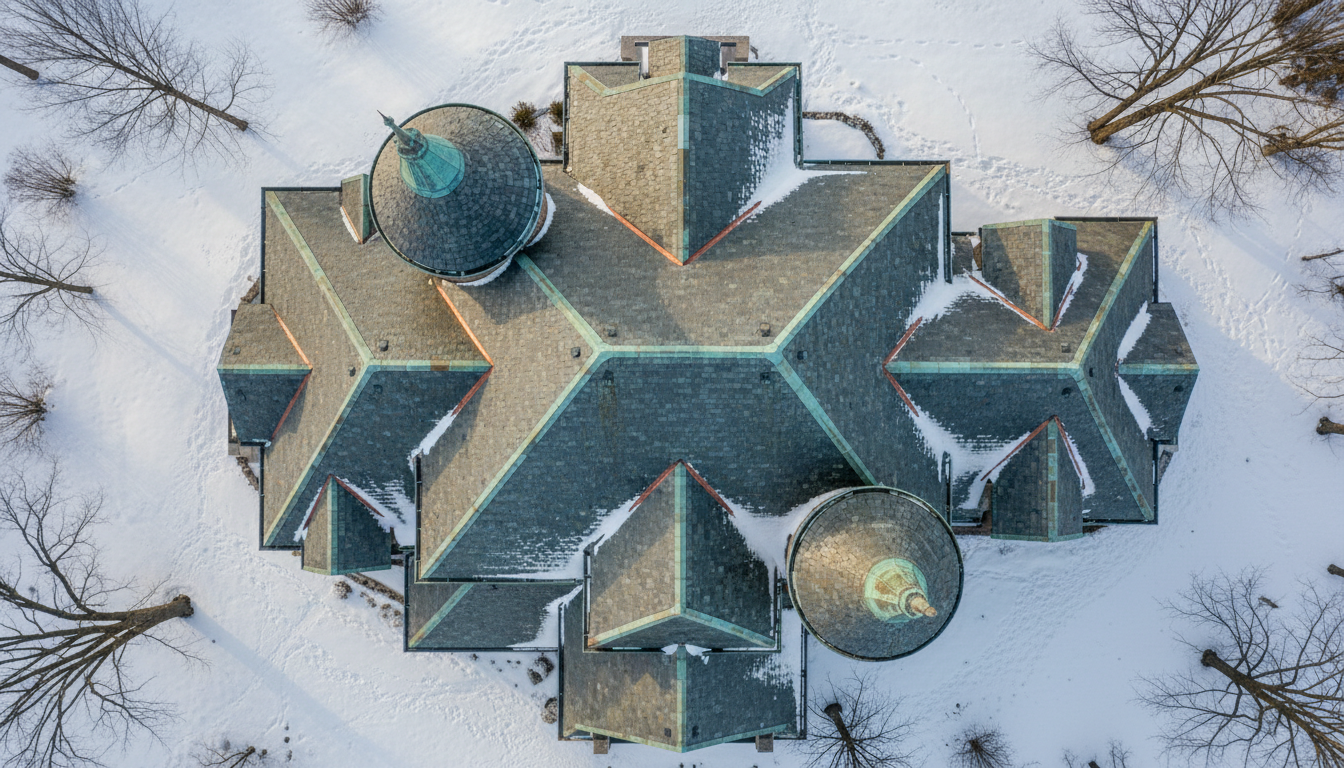
For the HNW property owner in Orono, the estate’s roofline is more than a mere shield against the elements; it is an architectural signature. However, the very features that define these grand residences—soaring turrets, intricate gables, and deep valleys—create a complex set of thermodynamic challenges during a Minnesota winter. Managing an estate’s exterior requires more than seasonal cleaning; it demands a forensic understanding of the “roof envelope.”
As we transition into the freeze-thaw cycles characteristic of the Lake Minnetonka microclimate, the structural integrity of slate and copper systems is put to an extreme test. Orono estate winter roof maintenance is not a luxury, but a critical engineering necessity to prevent the devastating effects of thermal bridging and ice damming. At Partners Restoration (License BC794459), we approach winterization through the lens of a Master Builder, ensuring that your architectural investment remains uncompromised by the weight of snow and the creep of ice.
The Anatomy of an Estate Roof: Engineering for Resilience
Complex rooflines are aesthetically magnificent but geometrically vulnerable. In Orono and neighboring Wayzata, the architectural trend toward multi-gabled structures increases the surface area of “valleys”—the intersections where two roof slopes meet. These valleys act as primary drainage channels, but in winter, they become the primary failure points.
The Physics of Thermal Bridging
The primary catalyst for structural damage in high-end estates is “thermal bridging.” This occurs when internal heat escapes through the building’s envelope via conductive materials or gaps in insulation, warming the roof deck unevenly. In complex structures, venting a turret or a radius dormer is an immense engineering challenge. If the air in the attic space is not perfectly equilibrated with the exterior temperature, the snow above the heated sections melts, runs down to the cold eaves, and refreezes.
Supporting data indicates that a large majority of Orono ice dam claims originate in complex valley intersections characterized by poor ventilation. When ice builds up in these junctions, it forces water upward under the slate tiles or copper seams—a phenomenon known as capillary action. This moisture then penetrates the sub-roofing, leading to mold, rot, and structural degradation that may not be visible until the following spring.
The Turret Paradox
Turrets are the crowning jewels of Orono estates, yet they are often the most poorly ventilated components of a roof. Because of their circular design, traditional ridge vents are impossible. Without a custom-engineered ventilation solution, turrets become heat traps. This localized warmth melts snow rapidly, leading to massive icicle formations that can weigh hundreds of pounds, threatening both the copper gutters below and the safety of those on the grounds.
Material-Specific Risks and Preventative Measures
A “one size fits all” approach to winterization is insufficient for estates utilizing premium materials like natural slate, custom copper, and heavy cedar shakes. Each material reacts differently to the cryogenic stresses of a Minnesota winter.
| Material | Winter Risk | Preventative Measure |
|---|---|---|
| Natural Slate | Tile shifting/cracking due to ice expansion | Gutter heater cable installation and clip inspection |
| Custom Copper | Seam separation from thermal expansion/contraction | Expansion joint inspection and solder audit |
| Cedar Shake | Fungal decay and moisture retention | Debris removal & moss treatment before first snow |
The Vulnerability of Copper Artistry
Copper is often selected for its longevity and its ability to develop a protective patina. However, copper is a highly conductive metal. While the patina protects against corrosion, it does nothing to prevent the physical stresses of thermal expansion. During the day, the sun warms the copper; at night, the temperature plummets. This constant oscillation can stress solder joints in valleys and built-in “Yankee” gutters.
Our forensic audits focus heavily on these joints. If a solder joint has begun to fatigue, the weight of a heavy snow load can cause a catastrophic failure, allowing meltwater to bypass the drainage system entirely and enter the wall cavities of the estate.
Slate Preservation: The Weight of Winter
Slate is arguably the finest roofing material in the world, capable of lasting over a century. Yet, its weight is its greatest liability when combined with snow. A square of slate can weigh between 800 and 1,500 pounds. When you add several feet of heavy, wet Minnesota snow, the load-bearing requirements of the rafters are pushed to their limit. Furthermore, if water enters the micro-cracks in a slate tile and freezes, it can delaminate the stone, causing “spalling” and eventually tile failure.
The Partners Restoration Winterization Checklist
To maintain the architectural envelope, we recommend a 21-point audit that goes beyond surface-level inspection. For owners of Medina estates and Orono properties, the following steps are non-negotiable:
- Borescope Inspection of Attic Voids: Using high-resolution cameras to ensure that insulation has not shifted and blocked soffit vents, which is the leading cause of attic overheating.
- Copper Solder Integrity Test: Physically checking the bond of valley seams to ensure they can withstand the “shoving” action of sliding snow.
- Clearing of High-Volume Drainage Points: Estates with complex rooflines often have “dead valleys” where leaves and organic debris collect. If this debris freezes, it creates an instant dam.
- Heat Cable Calibration: For slate roofs in particularly shaded microclimates, we calibrate self-regulating heat cables to ensure they activate only when necessary, preventing ice bridges without wasting energy.
- Fastener Audit: On slate roofs, we check for “nail pops” or rusted hangers that may cause a tile to slide off under the weight of snow.
Protecting Your Investment: Longevity Through Engineering
The cost of reactive repair on a slate or copper roof is exponentially higher than the cost of proactive maintenance. Replacing a single custom-fabricated copper valley can cost thousands, not including the potential interior damage to plaster ceilings and hardwood floors. In the context of Orono estate winter roof maintenance, the goal is to eliminate the “surprise” element of spring thaws.
Furthermore, estates near Lake Minnetonka face higher humidity levels and stronger wind gusts. This moisture-rich air can lead to faster decay of cedar components and increased ice accumulation. If your property has previously suffered from storm damage in Orono, the structural integrity may already be compromised, making this winter’s preparation even more vital.
The Role of Specialized Expertise
General roofing contractors are often ill-equipped to handle the nuances of historical or high-end materials. Working with slate requires specialized tools and a “soft touch”—walking on a slate roof without the proper gear can cause more damage than the ice itself. Our team combines the heritage craftsmanship of a master roofer with the modern diagnostic tools of a building engineer.
Frequently Asked Questions
Do I need heat cables on a slate roof?
In many Minnetonka microclimates, they are necessary to manage heavy snow loads. While a perfectly ventilated roof shouldn’t need them, the geometric complexity of many Orono estates makes perfect ventilation impossible, necessitating cables as a secondary defense.
How often should copper be inspected?
Annually, specifically focusing on the solder joints in valleys. The extreme temperature swings in Minnesota can cause copper to expand and contract significantly, which puts immense pressure on fixed points.
Can I use salt or chemical de-icers on my slate roof?
Absolutely not. Chemical de-icers can react with the minerals in slate and the lead in solder joints, causing premature degradation and staining. Mechanical removal or heat systems are the only recommended methods.
Conclusion: A Proactive Stance on Estate Preservation
Your estate is a legacy. Protecting it requires a sophisticated understanding of how grand architecture interacts with a harsh environment. By addressing the physics of thermal bridging and the specific vulnerabilities of slate and copper now, you ensure that your home remains a sanctuary rather than a liability during the winter months.
Do not wait for the first ice dam to appear. A forensic audit of your roof envelope is the only way to ensure total peace of mind.
Schedule a 21-Point Roof Envelope Audit
Ensure your estate is prepared for the structural stresses of a Minnesota winter. Contact the specialists at Partners Restoration today for a technical evaluation of your slate, copper, or cedar roofing system.
Leave A Comment