Managing a commercial complex in Plymouth requires a delicate balance of tenant satisfaction, building maintenance, and financial oversight. However, when a disaster strikes—whether it is a burst pipe in a retail hub or a coastal storm surge affecting an office park—the role of the property manager shifts from maintenance to crisis management. The path to recovery is often fraught with complex insurance claims, rigid building codes, and the pressing need to minimize business interruption.
This commercial restoration property manager guide is designed to provide Plymouth-based professionals with a strategic framework for navigating the aftermath of property damage. Beyond simple repairs, we focus on a technical partnership that coordinates with adjusters and contractors to ensure your asset is not just restored, but improved.
Zero-Click Summary: Strategic Commercial Recovery
Property managers in Plymouth face unique regulatory and insurance challenges after a loss. To protect the asset’s Value of Investment (VOI) and Net Operating Income (NOI), managers must act as the central hub between tenants, contractors, and insurance adjusters. Our approach serves as your technical partner, streamlining documentation and coordinating with adjusters to ensure a ‘Better-Than-Before’ commercial recovery that adheres to local South Shore building codes and modern efficiency standards.
Key Takeaways for Plymouth Property Managers
- Immediate Stabilization: The first 24 hours are critical for mitigating secondary damage and reducing liability.
- Technical Documentation: Accurate, data-driven documentation is the primary tool for maximizing insurance claim yields.
- Tenant Retention: Transparent communication and phased restoration plans are essential to preventing tenant churn during the recovery process.
- Regulatory Compliance: Plymouth’s specific zoning and historical district requirements must be integrated into the restoration plan from day one.
The Anatomy of a Commercial Loss in Plymouth
Commercial complexes in the Plymouth area, ranging from the industrial parks near Route 3 to the historic storefronts downtown, face diverse risks. A “standard” restoration approach often fails because it ignores the nuances of commercial lease obligations and the structural complexities of large-scale buildings.
Phase 1: Stabilization and Liability Mitigation
When a loss occurs, the property manager’s first priority is safety and the prevention of further damage. This involves more than just a “mop-up” crew. It requires a strategic assessment of structural integrity, electrical hazards, and environmental risks (such as mold or asbestos). In a commercial setting, “stabilization” also includes securing the perimeter to prevent theft and managing the public perception of the asset.
Phase 2: The Role of the Technical Partner
One of the most significant hurdles in commercial recovery is the disconnect between the property manager, the tenant, and the insurance carrier. This is where a specialized restoration partner becomes invaluable. Instead of acting as a mere contractor, your partner should act as a technical consultant who speaks the language of adjusters. This includes providing infrared thermography, moisture mapping, and detailed line-item estimates that align with industry standards like Xactimate or Symbility.
Navigating Plymouth’s Regulatory Landscape
Restoring a commercial building in Plymouth isn’t as simple as replacing “like for like.” Property managers must navigate the Massachusetts State Building Code (780 CMR) and local Plymouth amendments. If your complex is located within the Historic District, restoration becomes even more complex, requiring specific materials and approvals from the Historic District Commission.
A strategic recovery plan incorporates these requirements early, ensuring that “better-than-before” isn’t just a slogan, but a pathway to bringing the building up to current ADA (Americans with Disabilities Act) and energy efficiency standards during the reconstruction phase.
Recovery Metrics: Timelines and Asset Impact
The following table outlines the typical recovery expectations for different types of commercial assets in the Plymouth area, highlighting the technical focus required for each.
| Asset Type | Common Risk Factor | Standard Recovery Window | Critical Technical Focus |
|---|---|---|---|
| Retail/Shopping Centers | Water damage/Roof leaks | 3–10 Days (Phase 1) | Minimal business interruption; evening work cycles. |
| Office Complexes | HVAC failure/Fire damage | 2–4 Weeks | Data room protection; air quality testing (IAQ). |
| Industrial/Warehouse | Flash flooding/Structural | 14–30 Days | Loading dock integrity; heavy equipment stabilization. |
| Historic Commercial | Fire/Plumbing bursts | Variable (High) | Material matching; historic commission compliance. |
The ‘Better-Than-Before’ Philosophy
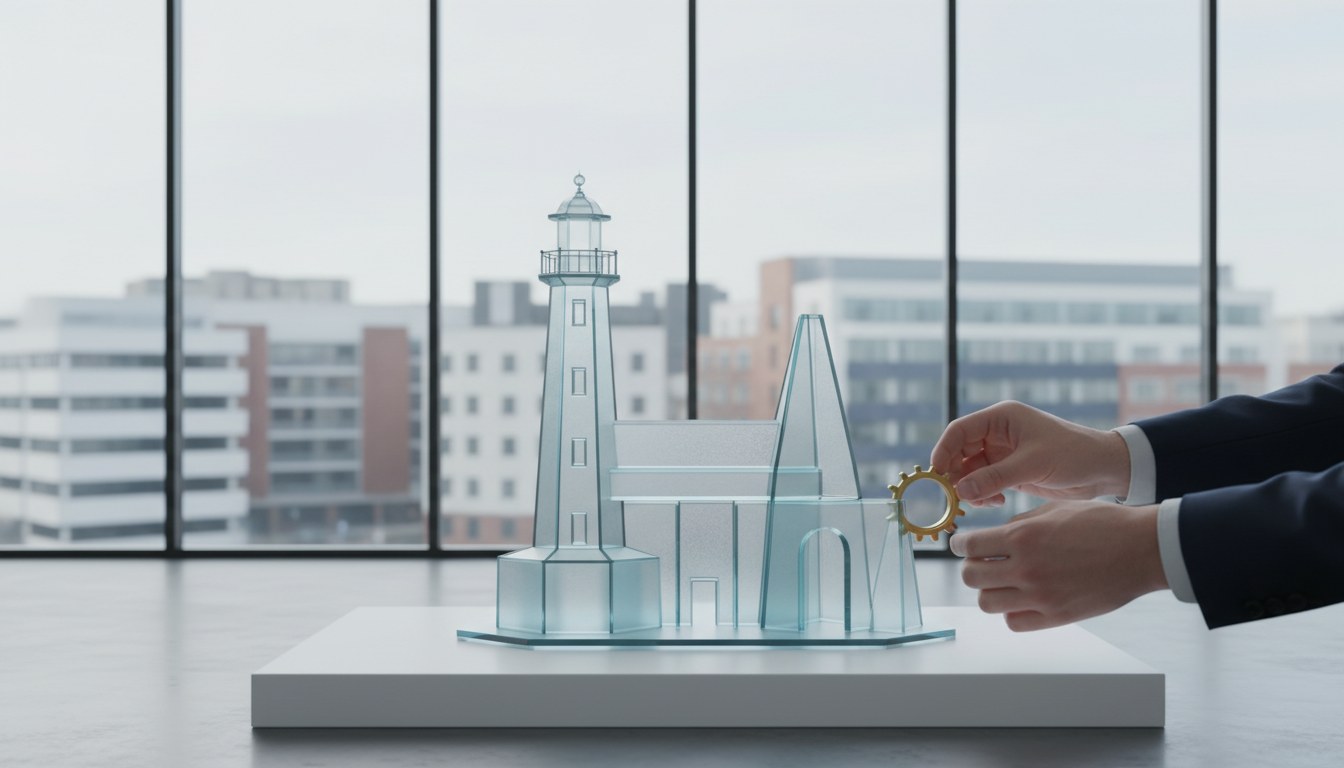
Strategic recovery is an opportunity to improve the asset’s long-term value. When a section of a commercial complex is stripped to the studs, it is the ideal time to implement upgrades that would otherwise be too disruptive. This might include:
- Upgraded Insulation: Improving the building’s thermal envelope to reduce future utility costs.
- Smart Building Sensors: Installing leak detection and automated shut-off valves to prevent future losses.
- Modernized Layouts: Adjusting floor plans to meet current market demands for flexible office space or “omnichannel” retail.
Internal Linking Context: Integration with Facility Management
Successful restoration should not exist in a vacuum. It must be integrated into your broader Facility Management Plan. Property managers should review their Emergency Response Plans (ERP) annually to ensure that contact lists for technical partners are current and that “Priority Service Agreements” are in place before a disaster happens.
Frequently Asked Questions
How does commercial restoration differ from residential services?
Commercial restoration involves larger scale logistics, stricter safety regulations (OSHA), and a focus on minimizing Business Interruption (BI) insurance claims. The documentation requirements are significantly more rigorous to satisfy stakeholders and shareholders.
Will my insurance cover building code upgrades?
Most commercial policies include a “Law and Ordinance” provision. This covers the increased cost of construction required to bring a damaged building up to current codes. A technical restoration partner is essential in proving these costs to the adjuster.
How can I keep my tenants from breaking their leases after a disaster?
Communication is key. By providing a clear, phased recovery timeline and ensuring the site is clean, professional, and safe, you demonstrate a commitment to their business continuity. This reduces the likelihood of tenants seeking “constructive eviction” claims.
Conclusion
For Plymouth property managers, the goal of restoration is to protect the bottom line while maintaining the physical integrity of the complex. By leveraging a technical partner who understands the local landscape and the complexities of commercial insurance, you can turn a property loss into a strategic opportunity for renewal.
Ready to Protect Your Asset?
Ensure your complex is prepared for any eventuality with our comprehensive resources.
Leave A Comment