
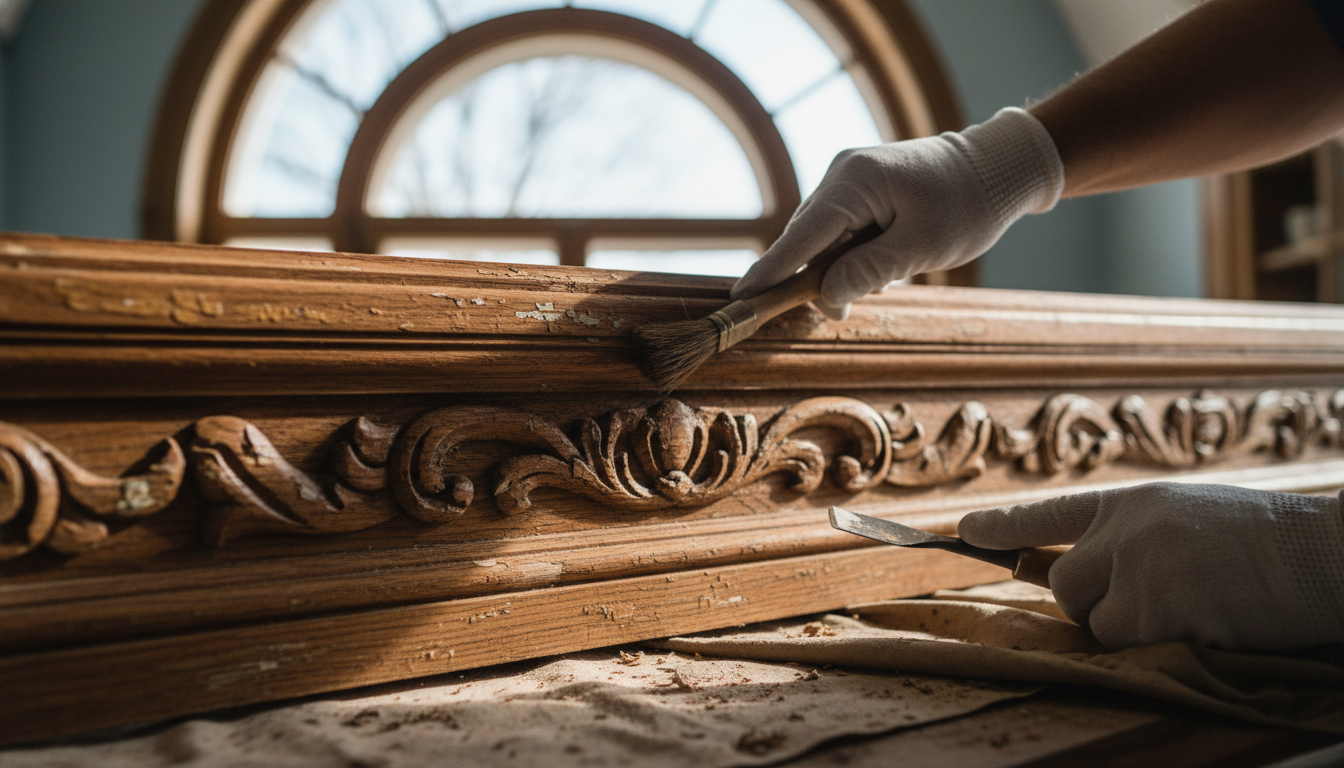
There is a profound weight to the word stewardship. When one holds the keys to a historic property in the lakeside enclaves of Wayzata or Excelsior, they are not merely a homeowner; they are the temporary guardians of a legacy that predates them and, if handled with reverence, will long outlast them. The shores of Lake Minnetonka are dotted with the architectural fingerprints of the late 19th and early 20th centuries—structures that whisper stories of the region’s golden age of grand hotels, steamboats, and the pioneering families who built Minnesota’s foundations.
Undertaking a historic home restoration in Wayzata or the historic districts of Excelsior requires more than just technical proficiency. It demands a marriage of archival research, specialized craftsmanship, and a deep respect for the original intent of the architect. Whether a property has suffered the sudden trauma of fire or water damage, or is undergoing a meticulous preservation to reverse the toll of time, the objective remains the same: to honor the past while ensuring the structure remains a viable, breathing home for the modern era.
The Ethics of Preservation: Beyond Mere Repair
In the world of heritage restoration, there is a fundamental philosophical divide between “renovation” and “preservation.” Renovation seeks to make something new; preservation seeks to make something whole again. For the historic property steward, the guiding principle is often “repair rather than replace.” When we approach a Queen Anne Victorian in Excelsior or a Colonial Revival in Wayzata, we look first to the integrity of the existing materials.
The Wayzata Heritage Preservation Board and the Excelsior City Council have established rigorous guidelines to protect the visual and structural fabric of our local landmarks. These guidelines aren’t merely bureaucratic hurdles; they are the guardrails that prevent the homogenization of our historic corridors. A true preservationist understands that the “imperfections” of hand-blown glass or the specific patina of 120-year-old white oak are not flaws to be sanded away, but the very essence of the home’s soul.
This ethical framework is particularly critical during Architectural Reconstruction. When a historic home faces significant damage, the instinct of a standard contractor might be to use modern, off-the-shelf components. However, a builder-led restoration approach ensures that every replacement—from the pitch of the roofline to the profile of the crown molding—adheres to the home’s original architectural vernacular.
Sourcing the Irreplaceable: Materials and Millwork
One of the most significant challenges in historic home restoration in Wayzata is the procurement of period-appropriate materials. The “old-growth” timber used in the late 1800s possesses a density and grain pattern that modern kiln-dried lumber simply cannot replicate. To restore a porch or a structural beam in a historic Lake Minnetonka cottage, we must often source reclaimed timber or custom-mill new wood to match the dimensions of a bygone era.
Custom millwork is the hallmark of a high-quality restoration. In the Victorian homes of Excelsior, intricate gingerbread trim, corbels, and balustrades were often hand-carved. When these elements are damaged, they cannot be replaced by big-box store alternatives. At Partners Restoration, we utilize a specialized network of craftsmen who can replicate these profiles down to the millimeter. This dedication to detail ensures that the transition between original and restored sections is invisible to the naked eye.
Material Comparison for Heritage Properties
Understanding the difference between modern convenience and historic necessity is vital for any steward. Below is a guide to the materials typically encountered during the restoration process.
| Material | Historic Requirement | Modern Equivalent (for Restoration) |
|---|---|---|
| Old-Growth Pine | Custom Sourcing for Density/Grain | Reclaimed Material from Period Structures |
| Plaster Walls | Traditional Wood or Metal Lath | Modern Acoustic Plaster (Three-Coat System) |
| Windows | Single-Pane with Storm Sashes | Restoration Glass in Rebuilt Wood Frames |
| Siding | Clear Cedar or Redwood Lap | Custom-Milled Species-Matched Timber |
Navigating the Technicalities: Permits and Modern Codes
Restoring a historic property in Wayzata is a complex dance between honoring the past and satisfying the present. Modern building codes regarding electrical wiring, plumbing, and insulation often conflict with the original construction methods of historic homes. The challenge lies in “stealth modernization”—integrating 21st-century safety and efficiency without altering the character-defining features of the property.
For example, when we implement Our Protocol for a historic rebuild, we prioritize the preservation of lath and plaster wherever possible. While modern drywall is faster and cheaper, it lacks the thermal mass and acoustic properties of traditional plaster. However, behind those plaster walls, we can discreetly install high-efficiency HVAC systems and fire-suppression technology that would have been unimaginable to the home’s original builders. This ensure the home is not just a museum piece, but a safe, comfortable residence.
A Case Study in Resilience: The Excelsior Reconstruction
Consider a recent project involving a prominent Craftsman-style estate near the Excelsior Commons. The property had suffered significant water damage due to a burst pipe in the upper floor, which compromised the original coffered ceilings and quartersawn oak flooring. A standard restoration company might have recommended gutting the space to the studs—a move that would have stripped the home of its historical value.
Our approach was different. We began by meticulously drying the original oak over a period of weeks to prevent warping, using specialized desiccant dehumidification. For the sections of the coffered ceiling that were beyond repair, we took precise moldings of the existing trim. We then sourced white oak of the same age and grain density, milling it to the exact specifications of the 1910 originals. By focusing on a “builder-led” reconstruction, we were able to save a large majority of the original fabric of the room, while the new a portion was indistinguishable from the old. This is the difference that expertise brings to a historic home restoration in Wayzata and the surrounding areas.
The Role of the Heritage Restoration Architect
Why involve an architect with a heritage specialization? Because historic homes are more than the sum of their parts; they are systems. The way a 19th-century home “breathes” is entirely different from a modern build. Introducing modern vapor barriers or spray foam insulation into a historic wall cavity without proper ventilation can lead to catastrophic rot within a few years. An expert understands the physics of these older structures, ensuring that the restoration is not only beautiful but structurally sound for the next century.
Furthermore, we act as the liaison between the homeowner and the various preservation commissions. We speak the language of “historical significance” and “contributing structures,” helping to navigate the permit process with ease and ensuring that all work complies with the Secretary of the Interior’s Standards for the Treatment of Historic Properties.
Key Takeaways for Historic Property Owners
- Specialized Permitting: Wayzata and Excelsior have specific overlays that require approval for any exterior changes. Always consult with a specialist before beginning work.
- Material Matching: Off-the-shelf lumber and trim will devalue a historic home. Custom millwork is an investment in the property’s long-term equity.
- The “Invisible” Modernization: It is possible to have a smart home with high-end appliances while maintaining a 1920s aesthetic. The secret is in the execution and concealment.
- Builder-Led Reconstruction: Ensure your contractor has a background in historic preservation, not just general remodeling.
Frequently Asked Questions
Can I modernize my historic home during restoration?
Yes, if done behind the walls while preserving visible character-defining features. We frequently update electrical, plumbing, and insulation systems during the restoration process, ensuring they meet current codes without compromising the historic aesthetic. The goal is to make the home function like a modern residence while looking like a period masterpiece.
How do you match 100-year-old wood trim?
We use a combination of reclaimed wood sourcing and custom-knife milling. We take a physical sample of your existing trim to a specialized mill, where a custom steel knife is cut to that exact profile. This allows us to produce new wood that matches your historic trim perfectly.
Is historic restoration more expensive than standard remodeling?
While the initial investment may be higher due to specialized labor and materials, the long-term value of a meticulously restored historic home in markets like Wayzata and Excelsior is significantly higher than that of a modernized “flip.” Preservation maintains the unique character that makes these properties so desirable.
Secure the Future of Your Legacy
Your historic property is a piece of Lake Minnetonka history. Do not trust its recovery to anyone less than a specialist in heritage preservation. Whether you are recovering from a loss or looking to restore your home to its former glory, our team is ready to provide the sophisticated craftsmanship your home deserves.
Leave A Comment