
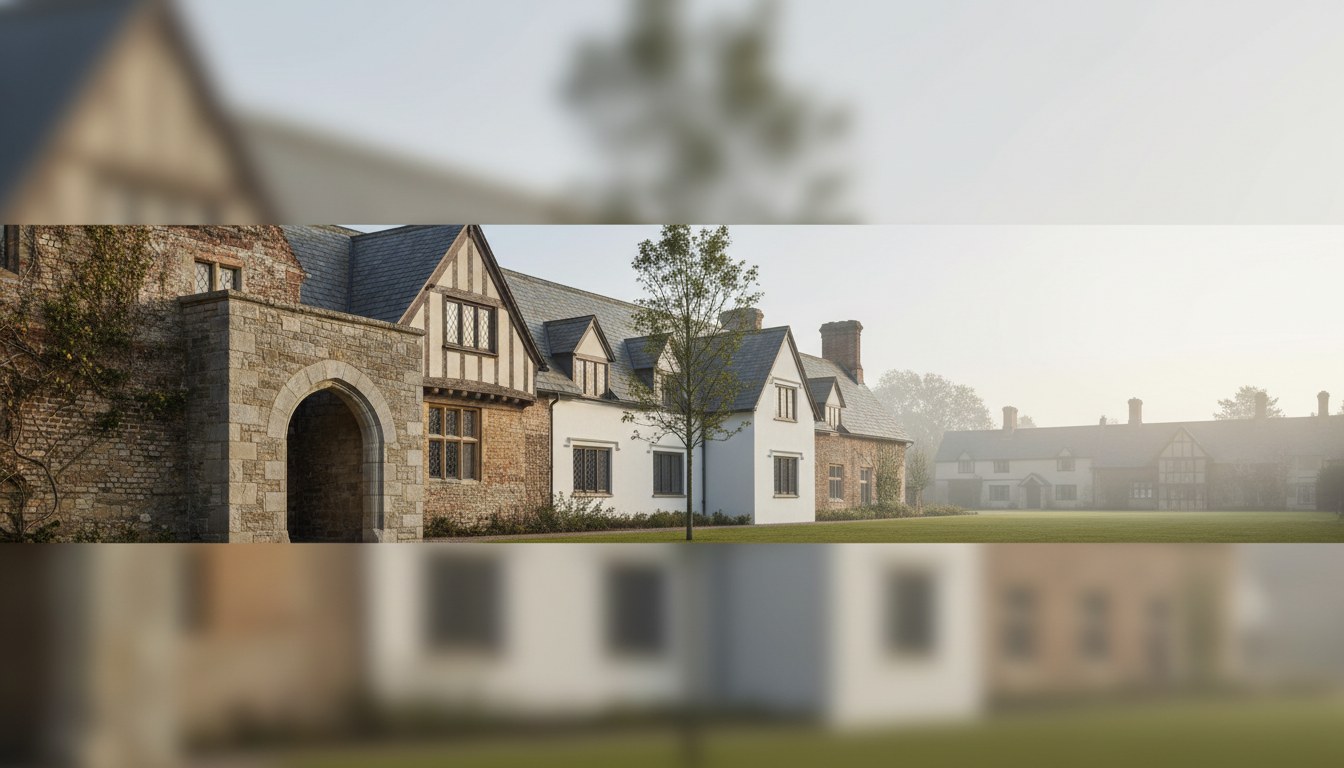
For the discerning property owner in Foxberry Farms, an estate is more than mere square footage; it is a repository of history, a masterpiece of craftsmanship, and a legacy intended to span generations. However, when the unthinkable occurs—be it a devastating fire or significant water intrusion—the path to recovery requires more than standard contractor services. It demands a specialized approach to historic home reconstruction MN that prioritizes architectural continuity over mere utility.
Restoring a heritage estate in Minnesota’s premier equestrian and luxury communities involves a sophisticated dance between preserving the past and implementing modern resilience. At the heart of this process is the commitment to ensuring that the soul of the home remains intact, even as the structure is revitalized with 21st-century engineering.
The Philosophy of Architectural Continuity
Architectural continuity is the practice of ensuring that any new construction or restoration work is indistinguishable from the original fabric of the building. In Foxberry Farms, where homes often feature intricate stonework, custom timber framing, and unique historical silhouettes, this philosophy is paramount.
When we approach a reconstruction project, we don’t just look at the blueprints; we study the era. We analyze the specific “hand” of the original builders—the way the mortar was struck, the profile of the crown molding, and the species of wood used in the grand staircases. By maintaining this continuity, we protect the property’s historical significance and its long-term market value.
Navigating the Complexity of Historic Home Reconstruction in MN
Reconstructing a historic property in Minnesota presents a unique set of challenges. From the extreme freeze-thaw cycles that impact masonry to the stringent building codes that must be met without compromising aesthetic integrity, the process is multifaceted.
1. Structural Forensics and Stabilization
Following fire or water damage, the first priority is stabilization. Our team conducts a forensic analysis of the remaining structure to determine what can be salvaged. In many Foxberry Farms estates, the “bones” of the home—such as old-growth timber or hand-cut limestone—are irreplaceable. We utilize advanced shoring techniques to preserve these elements while preparing for the reconstruction phase.
2. Period-Correct Material Sourcing
One of the hallmarks of high-quality historic home reconstruction MN is the sourcing of materials. You cannot replace 19th-century reclaimed oak with modern lumber-yard pine. We maintain a network of artisans and suppliers who provide period-correct materials, including:
- Hand-blown glass for restored window sashes.
- Custom-milled trim that matches existing historical profiles.
- Sourcing stone from original local quarries to ensure color and texture matching.
- Reclaimed flooring that carries the patina of age.
3. Integrating Modern Systems Discreetly
While the exterior and public spaces must remain historically accurate, the “nervous system” of the home should be state-of-the-art. We specialize in “invisible integration”—hiding high-efficiency HVAC systems, smart home automation, and modern fire suppression behind lath-and-plaster aesthetics or within existing cavities to ensure the home is safe and comfortable without looking “renovated.”
Restoration vs. Standard Reconstruction
It is important for estate owners to understand the difference between a standard rebuild and a heritage restoration. The following table highlights the meticulous nature of the heritage approach:
| Feature | Standard Reconstruction | Heritage Restoration & Continuity |
|---|---|---|
| Materials | Modern, off-the-shelf components. | Custom-milled, reclaimed, or period-authentic materials. |
| Craftsmanship | General carpentry and assembly. | Specialized artisans (stonemasons, master woodworkers). |
| Architectural Detail | Simplified versions of originals. | Exact replication of historical profiles and motifs. |
| Modern Upgrades | Visible vents, standard wiring. | Concealed systems that preserve visual integrity. |
| Value Retention | Functional, but may lose “historic” premium. | Maintains or increases the estate’s heritage value. |
Preserving the Legacy of Foxberry Farms
Foxberry Farms is known for its rolling landscapes and architectural grandeur. Every estate contributes to the collective character of the community. When a home is damaged, the restoration process is a responsibility not just to the homeowner, but to the neighborhood’s history. Our team works closely with local historical societies and zoning boards to ensure that every reconstruction project meets the highest standards of excellence and remains a jewel of the Minnesota landscape.
Frequently Asked Questions
How long does a historic reconstruction typically take?
Due to the custom nature of the materials and the precision required, these projects often take longer than modern builds. A typical timeline ranges from 12 to 24 months, depending on the scale of the damage and the complexity of the architectural details.
Can you replicate custom millwork that has been completely destroyed?
Yes. By using 3D scanning technology on surviving sections or referencing historical photographs and original blueprints, our master woodworkers can recreate exact replicas of moldings, mantels, and cabinetry.
Does historic reconstruction meet modern energy codes?
Absolutely. We use innovative techniques such as internal insulation systems and high-performance historically accurate windows to ensure your home meets or exceeds Minnesota’s energy standards while looking centuries old.
Ready to Restore Your Estate?
If your property has suffered a loss, do not settle for a standard rebuild. Entrust your legacy to the experts in historic continuity.
Leave A Comment