Mitigating Water Damage in Lake Minnetonka Waterfront Estates
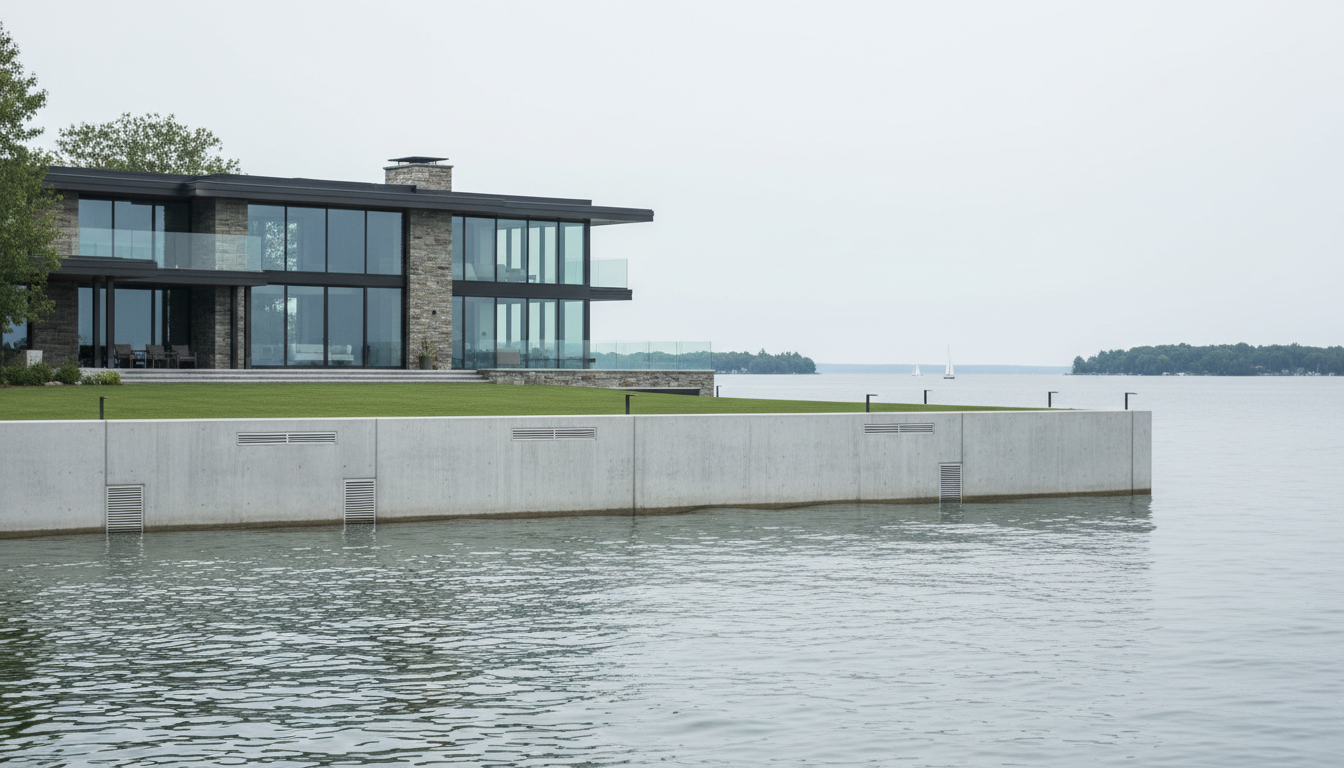
Living on the shores of Lake Minnetonka is more than a choice in residence; it is a commitment to a specific lifestyle defined by the rhythms of the water. Whether your estate overlooks the expansive vistas of Wayzata Bay or the secluded inlets of Orono, the proximity to the lake brings unique environmental challenges. For the luxury homeowner, water damage is not merely an inconvenience—it is a threat to the structural integrity and the curated aesthetic of a high-value asset. Professional Lake Minnetonka water restoration requires a sophisticated approach that moves beyond simple extraction to encompass advanced moisture mapping and architectural preservation.
The Hydrostatic Reality of Shoreline Living
Estates on Lake Minnetonka often feature expansive walk-out basements and lower-level entertainment suites designed to maximize lake views. However, these architectural features are subject to intense hydrostatic pressure. As lake levels fluctuate with seasonal snowmelt and heavy spring rains, the water table rises, exerting immense pressure against foundation walls and floor slabs. Without a robust mitigation strategy, this moisture can bypass traditional vapor barriers, leading to “silent” damage within wall cavities and under high-end flooring materials like wide-plank white oak or custom masonry.
The Risk of Structural Rot in Luxury Construction
High-end builds often utilize complex layering—soundproofing, specialized insulation, and custom millwork—that can trap moisture. If a sump pump fails or a foundation leak occurs, the moisture becomes trapped behind the finishes. Standard restoration companies often miss these pockets, leading to structural rot and mold growth that can devalue an estate by hundreds of thousands of dollars. Immediate intervention using builder-grade diagnostics is the only way to ensure the home’s “skeleton” remains dry.
Precision Diagnostics: The Role of Moisture Mapping
In a Lake Minnetonka estate, you cannot manage what you cannot measure. At Partners Restoration, we utilize thermal imaging and non-invasive moisture mapping to “see” through premium finishes. This allows us to identify the exact path of water intrusion without unnecessarily dismantling custom cabinetry or imported stonework. By mapping the moisture profile, we can create a targeted drying plan that focuses high-velocity air movers and LGR (Low Grain Refrigerant) dehumidifiers exactly where they are needed most.
Sump Pump Assessment and Redundancy
For waterfront properties, the sump pump is the heart of the home’s defense system. We recommend a multi-tier assessment that includes checking discharge lines for ice blockages during the winter months and ensuring that backup battery systems are capable of handling the high-volume intake common during Minnesota summer storms. A failure here is the leading cause of catastrophic lower-level losses in the Lake Minnetonka area.
Comparing Restoration Standards for High-Value Estates
Not all restoration services are created equal. When dealing with the complexities of a waterfront estate, the approach must be surgical rather than destructive.
| Feature | Standard Restoration | Partners Restoration (Luxury Grade) |
|---|---|---|
| Diagnostic Depth | Surface-level moisture meters | Infrared thermography & invasive moisture mapping |
| Drying Philosophy | “Rip and Tear” (Demolition first) | In-place drying & targeted preservation |
| Equipment | Standard dehumidifiers | Industrial LGR systems & HEPA-filtered scrubbers |
| Documentation | Basic photos | Comprehensive digital moisture logs for insurance/resale |
| Expertise | General Labor | Certified Technicians with high-end build experience |
Strategic Mitigation Before Reconstruction
The goal of professional Lake Minnetonka water restoration is to stabilize the environment as quickly as possible to prevent secondary damage. This “mitigation first” mindset is critical. By aggressively drying the structural elements (studs, subfloors, and headers) before any reconstruction begins, we ensure that new finishes are not being installed over “wet” bones. This prevents the warping of new baseboards and the recurrence of musty odors that often plague poorly handled restoration projects.
Preserving Architectural Integrity
- Custom Millwork: We utilize specialized drying mats to salvage hardwood floors and intricate wood paneling whenever possible.
- HVAC Decontamination: Waterfront homes are prone to humidity; we ensure the ductwork is sanitized to prevent the spread of particulates.
- Contents Restoration: High-value furniture and fine art are stabilized in climate-controlled environments to prevent environmental shock.
Frequently Asked Questions
How long does the drying process typically take for a lakefront basement?
While every situation is unique, a standard high-end drying project takes between 3 to 5 days. Factors such as the volume of water, the porosity of the materials (stone vs. drywall), and the outdoor humidity levels play a significant role.
Will my insurance cover the cost of high-end restoration?
Most “all-perils” homeowners’ policies for luxury estates cover professional mitigation. We provide the detailed moisture mapping and thermal documentation required by adjusters to justify the use of specialized equipment and techniques necessary for high-value properties.
Why is “Lake Minnetonka water restoration” different from standard city restoration?
The high water table and the specific soil composition (clay and silt) around the lake create different hydrostatic pressures than you find in inland suburbs. Furthermore, the architectural complexity of lakeshore estates requires a higher level of care and sophisticated diagnostic tools.
Protect Your Legacy
When water threatens the integrity of your estate, every hour matters. Trust the specialists who understand the unique demands of Lake Minnetonka architecture.
Leave A Comment