
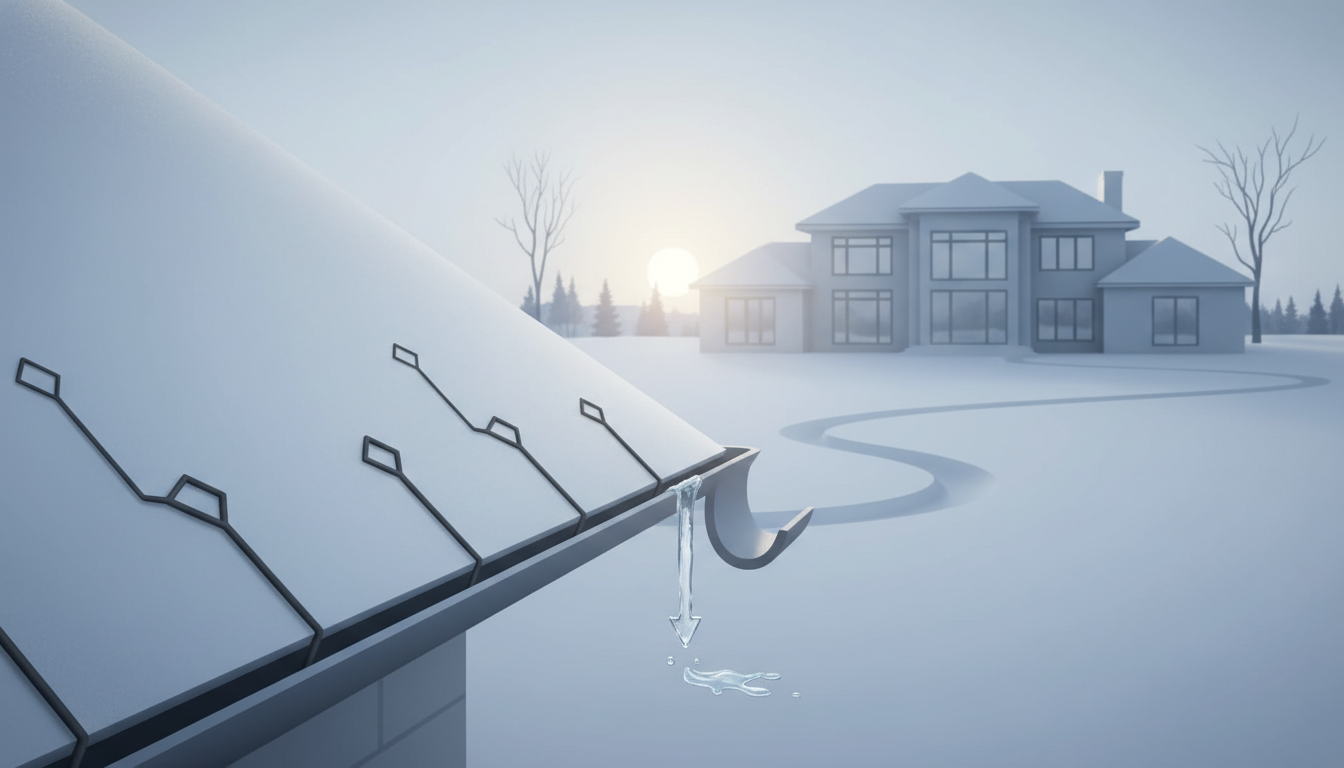
Ice Dam Prevention and Mitigation for Orono Estates
Managing an estate in Orono, Minnesota, requires more than just routine maintenance; it demands a proactive stewardship of the property’s architectural integrity. As the snow blankets the shores of Lake Minnetonka, the picturesque scenery brings with it a significant threat to our high-end residential structures: the ice dam. For the discerning Orono estate owner, an ice dam is not merely a nuisance—it is a precursor to structural degradation, mold infiltration, and the compromise of bespoke interior finishes.
Our approach to Orono ice dam removal and prevention is rooted in building science. We understand that the complex rooflines, expansive dormers, and vaulted ceilings common in Orono’s premier neighborhoods create unique thermal challenges. This guide outlines the professional standards for mitigating these risks and preserving the long-term value of your estate.
Understanding the Threat: Why Orono Estates are Vulnerable
Orono estates often feature intricate architectural details that, while aesthetically stunning, can be prone to “hot spots.” These are areas where heat escapes from the living space into the attic or roof deck, melting the bottom layer of snow. As this meltwater runs down the roof and hits the cold eaves, it refreezes, creating a thick ridge of ice. This ridge—the ice dam—traps subsequent meltwater, forcing it under shingles and into the building’s envelope.
The consequences for a luxury home are severe. Water intrusion can damage hand-plastered walls, custom millwork, and high-end insulation. Furthermore, the sheer weight of a massive ice dam can strain gutter systems and fascia boards, leading to costly exterior repairs.
Emergency Mitigation vs. Long-term Prevention
When an ice dam has already formed and water is encroaching on the interior, emergency intervention is required. However, the method of removal is critical. Traditional “hacking” at the ice with hammers or axes is strictly forbidden on high-value properties, as it inevitably damages the roofing substrate.
Professional Orono ice dam removal utilizes low-pressure industrial steaming. This process melts the ice safely without the use of abrasive force. Once the immediate threat is cleared, our focus shifts to forensic analysis to ensure the dam does not return with the next snowfall.
The Role of Moisture Mapping and Thermal Imaging
Modern estate management relies on technology to see what the naked eye cannot. We utilize FLIR thermal imaging to identify “heat signatures” on the roofline. By pinpointing exactly where heat is escaping, we can target the root cause of the ice dam. Following an incident, we also employ moisture mapping—using non-invasive meters to track water travel within walls—to ensure that no residual dampness remains to trigger mold growth behind the scenes.
Comparison of Ice Dam Mitigation Methods
To assist in your decision-making process, the following table compares the standard methods used in the industry today:
| Method | Effectiveness | Risk of Roof Damage | Recommended Use |
|---|---|---|---|
| Low-Pressure Steaming | High | Negligible | Primary choice for Orono estates; safe for all shingle types. |
| Chemical De-icers (pucks) | Moderate | High (Corrosive) | Not recommended; can damage copper gutters and stain siding. |
| Manual Removal (Shoveling) | Low | Moderate | Useful for snow removal only; ineffective against existing ice. |
| Mechanical Impact (Hammering) | High | Extreme | Never recommended; voids most roof warranties. |
Sustainable Prevention Strategies
For the Orono Estate Manager, the goal is total prevention. A “cold roof” strategy is the gold standard in Minnesota’s climate. This involves a three-pronged approach:
- Enhanced Insulation: Increasing attic insulation to R-60 levels to minimize heat transfer from the living quarters.
- Precision Ventilation: Ensuring a continuous flow of cold air under the roof deck via soffit and ridge vents to keep the roof temperature consistent with the outdoors.
- Air Sealing: Using polyurethane foam or caulk to seal “bypass” areas such as recessed lighting, chimney chases, and plumbing stacks where warm air leaks into the attic.
In cases where architectural constraints make perfect insulation impossible—such as in homes with “hot roofs” or limited rafter space—we may recommend the installation of professional-grade, self-regulating heat cables. These systems are designed to create drainage paths through the ice, preventing water from pooling.
Frequently Asked Questions
Does insurance cover Orono ice dam removal?
Most high-value homeowners’ insurance policies cover the damage caused by ice dams (internal water damage), but they often do not cover the cost of the ice removal itself unless it is deemed necessary to prevent further immediate damage. We provide detailed documentation and moisture mapping reports to assist with your claims process.
How often should I have my roof raked?
For estates with high-pitch roofs and heavy snowfall, we recommend snow removal (roof raking) after every 6 inches of accumulation. This removes the “fuel” for the ice dam before the melt-freeze cycle can begin.
Are heat cables a permanent fix?
Heat cables are a secondary defense. They do not stop ice from forming, but they do ensure that meltwater has a path to the ground. They should be used in conjunction with proper insulation and ventilation, not as a replacement for them.
Take Action Before the Next Storm
Don’t wait for a leak to compromise your home’s interior. Protecting an Orono estate requires a proactive, scientific approach to winter weather. Our team specializes in the unique needs of Lake Minnetonka area homes, offering everything from emergency steam removal to comprehensive building envelope assessments.
Leave A Comment