
Ice dams are Minnesota’s most predictable � and most preventable � source of winter water damage. Every year, thousands of Twin Cities homeowners discover the same scenario: a warm spell in January or February melts snow on the upper sections of their roof, that water runs down to the cold eaves, refreezes into a thick ice dam at the roof edge, and then backs up under shingles into the attic, insulation, and ceiling assemblies below. By the time staining appears on a bedroom ceiling in March, water has been infiltrating for weeks.
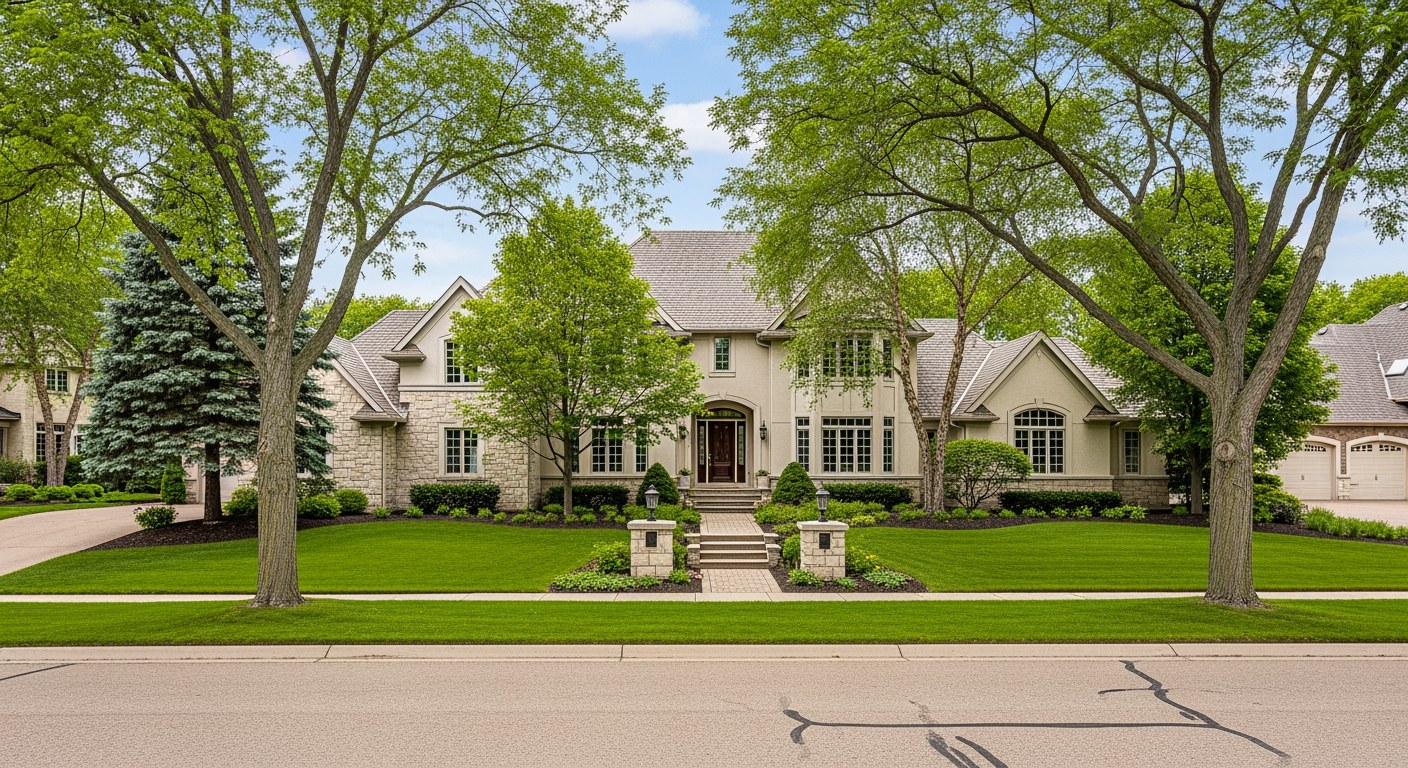
The Minneapolis metropolitan area sees ice dam damage events across all housing types � from postwar ramblers in Golden Valley to contemporary custom estates in Orono with complex roof geometries. Ice dam-related insurance claims consistently rank among the costliest single-season weather categories for homeowners in the state. Partners Restoration specializes in the complete ice dam event cycle: removal, water damage assessment and drying, insurance documentation, and full reconstruction of affected interior spaces.
What Causes Ice Dams � The Minnesota Mechanism
- Heat escapes through the roof deck from inadequate insulation or air sealing in the attic
- Snow on the upper roof melts as the underside of the roof deck warms above freezing
- Meltwater runs downslope toward the eaves and overhangs, which remain cold because they overhang the exterior wall
- Water refreezes at the eaves, building a dam of ice that grows with each melt-refreeze cycle
- Backed-up water pools behind the dam and finds penetration paths under shingles, around flashing, and through fastener holes into the attic and ceiling assembly
The Minnesota conditions that create ice dams: daytime temperatures in the 20-35 degree F range, significant snow accumulation on roof surfaces, and adequate solar gain or interior heat loss to create differential melting. The Twin Cities experiences these conditions multiple times in a typical winter, particularly January through March.
Homes most vulnerable: Older construction (pre-1990) with minimal attic insulation; homes with complex roof geometries (multiple dormers, valleys); homes with cathedral ceilings or conditioned attic spaces; homes with improperly terminated bath, kitchen, or dryer exhaust; homes with inadequate or blocked soffit ventilation.
Ice Dam Removal: Safe Methods and What to Avoid
Roof Snow Removal
Removing the snow load from the roof above the dam eliminates the melt source. A roof rake � an aluminum or plastic scraper on a telescoping handle � allows homeowners to pull snow off eave areas from the ground. This is effective for single-story sections but does not address second-floor and upper roof areas safely. Do not attempt to remove snow from steep or high rooflines without professional equipment and fall protection.
Calcium Chloride Ice Melt
Calcium chloride (not rock salt, which corrodes metal flashing and damages plants) in nylon stockings laid perpendicular across the ice dam will melt channels that allow backed-up water to drain. This is a temporary measure that slows damage but does not eliminate the dam.
Partners Restoration: Steam Removal Method
The most effective and least damaging professional ice dam removal uses low-pressure steam � a steam generator producing high-temperature steam applied directly to the ice dam. Steam melts ice cleanly without the impact damage that chipping or prying causes to shingles, gutters, and flashing. Partners Restoration’s crews operate steam equipment year-round for emergency ice dam removal throughout the Twin Cities western suburbs.
Never use: Axes, chisels, or hammers to chip ice from the roof (damages shingles catastrophically); propane torches (fire risk); high-pressure water (freezes immediately and compounds the problem).
Water Damage from Ice Dams: What Gets Affected
Attic Insulation: Batted insulation (fiberglass or cellulose) becomes saturated and collapses, dramatically reducing R-value. Wet insulation can remain wet for weeks in a cold attic, becoming a mold culture medium. In most ice dam events, attic insulation in the affected zone requires replacement. This is also the appropriate time to upgrade insulation R-value and improve air sealing to prevent future ice dams.
Attic Sheathing and Framing: Roof decking that becomes saturated can delaminate, swell, or develop mold on the underside. Structural framing is more durable but should be assessed if extended saturation occurred. Partners performs moisture readings on all affected structural components before declaring drying complete.
Ceiling Assemblies: Brown staining on bedroom and hallway ceilings is the diagnostic signature of an ice dam event. In severe cases, drywall becomes saturated, loses structural integrity, and requires replacement.
Wall Cavities and Interior Finishes: In some roof geometry configurations, ice dam water can travel laterally into wall cavities, affecting insulation, framing, and potentially migrating to lower floors. Thermal imaging is essential for mapping the full extent of wall cavity moisture. Paint blistering, wallpaper separation, wood trim swelling, and hardwood floor cupping are secondary effects. In high-end homes with plaster ceilings, hand-applied finishes, or custom trim profiles, these secondary effects require skilled craftspeople that standard restoration companies don’t retain.
Ice Dam Insurance Claims in Minnesota
What is typically covered: Interior water damage resulting from an ice dam is covered under virtually all standard Minnesota homeowner policies as a sudden and accidental water loss. Ceiling replacement, insulation replacement, drywall, paint, and floor repair caused directly by ice dam water intrusion are covered perils. Ice dam removal itself is often covered as a necessary expense to prevent further covered damage.
What is typically NOT covered: Roof repair or replacement directly caused by ice dams is frequently excluded or contested � standard policies cover the interior damage but treat roof deterioration from ice as a maintenance issue. Pre-existing damage and gradual damage (ice dam infiltration occurring over multiple winters without reporting) may also be excluded.
Partners Restoration’s role in your claim: We work directly with insurance adjusters on ice dam claims throughout the Twin Cities. Our documentation includes thermal imaging showing the full extent of moisture infiltration at initial response, moisture log readings by date to document the drying process, photo documentation of all affected materials, and line-item replacement cost estimates using Xactimate software. A well-documented ice dam claim by an experienced restoration contractor produces significantly better outcomes than an undocumented claim.
Ice Dam Damage Cost Ranges in Minnesota
| Scope | Cost Range |
|---|---|
| Professional steam removal (per linear foot) | $35-$75/LF |
| Attic insulation replacement (per 1,000 SF) | $2,500-$6,000 |
| Ceiling drywall replacement (per room) | $800-$3,500 |
| Full ceiling + paint (per room) | $1,500-$5,000 |
| Structural drying (per affected zone) | $2,000-$8,000 |
| Roof shingle repair (per square) | $350-$800 |
| Air sealing and insulation upgrade | $3,000-$8,000 |
Permanent Ice Dam Prevention: What Actually Works
Air Sealing � The Most Important Step: The single most effective ice dam prevention measure is air sealing the attic floor � not just adding insulation thickness. Heat convects through gaps in the attic floor (around recessed lights, at partition wall top plates, around plumbing and electrical penetrations) and warms the roof deck from below. Sealing these penetrations with spray foam prevents the heat transfer that causes differential snow melt.
Insulation Upgrade: Minnesota Energy Code requires R-49 attic insulation in new construction. Many Twin Cities homes built before 1990 have significantly less. Upgrading to R-49+ blown cellulose or fiberglass reduces heat loss through the roof assembly and is the second most important ice dam prevention measure after air sealing.
Ventilation Correction: Adequate attic ventilation (balanced soffit and ridge ventilation) keeps the roof deck cold from outside, reducing the temperature differential between upper and lower roof zones. Blocked soffit vents � common in older homes where blown insulation has covered the soffit baffles � are a contributing factor in many ice dam events.
Ice and Water Shield: At the time of roof replacement, Minnesota building code requires ice and water shield for the first 24″ inside the exterior wall line � minimum. In high-risk roof geometries, extending it further up the roof slope provides a redundant waterproofing layer even if an ice dam forms.
Frequently Asked Questions About Ice Dam Damage Repair in Minnesota
How do I know if I have an active ice dam?
Icicles at the roof edge are an early indicator. Thick ice buildup at the eave line combined with water staining or dripping at interior ceiling or wall surfaces near exterior walls confirms active infiltration. Call Partners Restoration for a free inspection.
Is ice dam removal covered by insurance?
Often yes � as a necessary expense to prevent further covered interior damage. Document all removal costs with itemized invoices. Partners Restoration provides documentation in a format compatible with insurance claim submission.
How much does ice dam removal cost in Minneapolis?
Professional steam removal runs approximately $35-$75 per linear foot of ice dam removed, depending on roof access and dam thickness. A typical residential ice dam removal runs $800-$3,500. Emergency response (same-day, active water infiltration) commands a premium.
My ceiling is stained but dry now. Do I still need a contractor?
Yes. Ceiling staining from a winter ice dam event should be assessed for residual moisture and mold risk before any painting or patching. Moisture trapped in attic insulation or wall cavities can persist into spring and develop mold that is not visible at the ceiling surface.
What is the best way to prevent ice dams on my Minneapolis home?
Air seal the attic floor, then upgrade attic insulation to R-49+. These two steps address the underlying cause � heat loss from conditioned space into the attic. Roof ventilation correction and ice-and-water shield at roof replacement are additional protective measures.
Related Resources from Partners Restoration
- Water Damage Restoration Near Me � Minneapolis � Full-service water damage restoration for all causes, including ice dam infiltration.
- Mold Remediation Near Me � Minneapolis � Ice dam water left in attics and walls is a leading cause of mold growth in Minnesota homes.
Leave A Comment