In the high-stakes world of commercial real estate management across Plymouth and Medina, a single afternoon of heavy rain or a ruptured sprinkler line on the third floor can represent more than just a repair bill. For us as property managers, it represents a threat to tenant relationships, a dip in net operating income (NOI), and a potential breach of lease agreements regarding “quiet enjoyment” and operational availability. When disaster strikes a commercial hub—whether it’s a retail center on Vicksburg Lane or an industrial park near Highway 55—the clock doesn’t just tick; it bleeds revenue.
Effective Plymouth commercial property restoration is not merely about drying out carpets or repainting walls. It is a specialized discipline of logistics, engineering, and strategic planning designed to keep businesses running while the building heals. This guide explores how we, as local property managers, must approach restoration to minimize business interruption and maintain the structural and financial integrity of our assets.
The Strategic Approach to Plymouth Commercial Property Restoration
Unlike residential restoration, commercial projects involve complex HVAC systems, large-scale electrical grids, and, most importantly, the livelihoods of dozens or hundreds of employees. A “one-size-fits-all” approach to restoration often leads to unnecessary closures. Instead, we advocate for a phased, surgical approach to recovery.
Phase 1: Rapid Mitigation and Containment
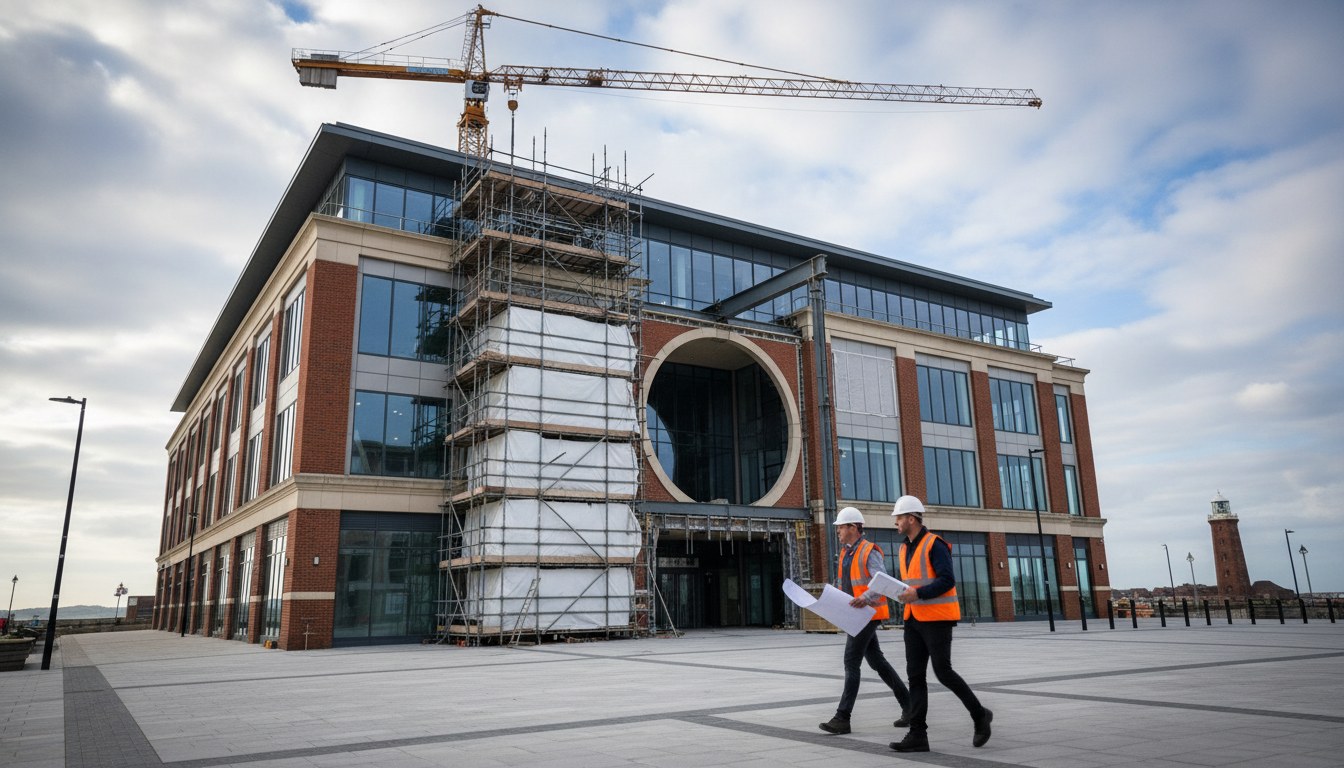
The first 24 hours are critical. In the Plymouth/Medina corridor, our weather can fluctuate wildly, leading to unique challenges like ice dams in winter or flash flooding in the spring. Rapid mitigation involves immediately stopping the source of damage and, crucially, isolating the affected area. By using industrial-grade HEPA-filtered air scrubbers and physical vapor barriers, we can often keep the “unaffected” wings of a commercial building open for business while the “affected” zones are addressed.
Phase 2: Business Continuity Engineering
While the restoration crew is working, our focus as managers shifts to continuity. Can we reroute foot traffic? Can we provide temporary power to the server room? A high-quality restoration partner understands that their equipment—hoses, dehumidifiers, and generators—must be placed in a way that allows for safe egress and minimal noise pollution for tenants who remain on-site.
Phase 3: Restoration and Modernization
The final phase is the “build-back.” In the Plymouth market, where commercial space is competitive, this is an opportunity to not just restore to “pre-loss condition” but to modernize. Whether it’s upgrading to moisture-resistant materials or improving the energy efficiency of the affected area, the goal is to add long-term value to the property.
Specific Challenges for Plymouth and Medina Commercial Hubs
Managing properties in the Hennepin County area requires a localized understanding of building codes and environmental factors. Our region faces specific threats that demand a specialized restoration response:
- Extreme Thermal Cycling: The freeze-thaw cycles common in Minnesota lead to pipe bursts in aging commercial infrastructures. Restoration must include a “root cause” analysis to prevent recurrence.
- Large-Scale Industrial Contaminants: In the industrial zones of Plymouth, a fire or water event can involve hazardous materials or specialized machinery. Restoration requires technicians certified in industrial hygienics.
- Retail Occupancy Standards: For retail managers, the “look and feel” of the space is everything. Restoration must be invisible to the customer, requiring after-hours work and high-level aesthetic finishes.
Comparative Analysis: Restoration vs. Full Replacement
One of the most difficult decisions we face is whether to salvage specialized commercial materials or replace them entirely. This decision significantly impacts the timeline of business interruption.
| Factor | Phased Restoration | Full Reconstruction | Manager’s Note |
|---|---|---|---|
| Tenant Displacement | Minimal (Days) | Extensive (Months) | Restoration prioritizes keeping tenants in their suites. |
| Average Cost Impact | Lower upfront costs | Higher capital expenditure | Restoration is often fully covered by business interruption insurance. |
| Material Lead Times | Immediate on-site cleaning | Subject to supply chain delays | Plymouth’s industrial demand makes new materials slow to arrive. |
| Business Interruption | Localized and managed | Total facility shutdown | Maintaining operational continuity is key for lease renewals. |
Operational Continuity: Keeping Tenants On-Site
The primary goal of Plymouth commercial property restoration is the retention of tenants. When a tenant is forced to relocate—even temporarily—the risk of them seeking a permanent lease elsewhere increases by over a substantial portion. To mitigate this, we employ several “Continuity Tactics”:
- Off-Peak Scheduling: Conducting the loudest phases of restoration (demolition, industrial drying) between 7:00 PM and 6:00 AM.
- Strategic Desiccants: Using trailer-mounted desiccant dehumidifiers that sit outside the building, pumping dry air in through small ports, which reduces the footprint of equipment inside the tenant’s space.
- Transparent Communication: Providing daily digital briefings to all building occupants regarding air quality, noise expectations, and safety protocols.
Frequently Asked Questions for Commercial Stakeholders
How long does the average commercial restoration take?
While every loss is unique, most “mitigation” phases (drying and stabilization) are completed within 3 to 5 days. The “restoration” or build-back phase can take anywhere from two weeks to several months depending on the scale of the damage and the complexity of the materials involved.
Will my insurance cover the cost of lost rent during restoration?
Most commercial policies include “Business Interruption Insurance” or “Loss of Rents” coverage. However, this is usually contingent on the restoration being handled by a certified professional who can document that the property was truly “untenantable” during the period of claim.
Is mold a major concern in Plymouth commercial buildings?
Yes. Given the high humidity of Minnesota summers and the tight envelopes of modern commercial construction in Plymouth, mold can begin to grow within 24-48 hours of a water event. Professional remediation is required to ensure the building meets Indoor Air Quality (IAQ) standards for office occupancy.
Can restoration occur while the building is occupied?
Absolutely. Through the use of negative air pressure and containment zones, we can safely restore one floor or wing while the rest of the building remains fully operational and code-compliant.
The Importance of a Pre-Loss Plan
The most successful restoration projects in my experience are those where the property manager had a “disaster readiness” plan already in place. Knowing exactly where the water shut-offs are, having a prioritized list of high-value equipment, and having a pre-vetted restoration partner on speed dial can reduce the duration of an interruption by up to a meaningful share. In the competitive Plymouth and Medina markets, those days saved translate directly to protected revenue and tenant trust.
Request a commercial property disaster readiness audit.
Leave A Comment