
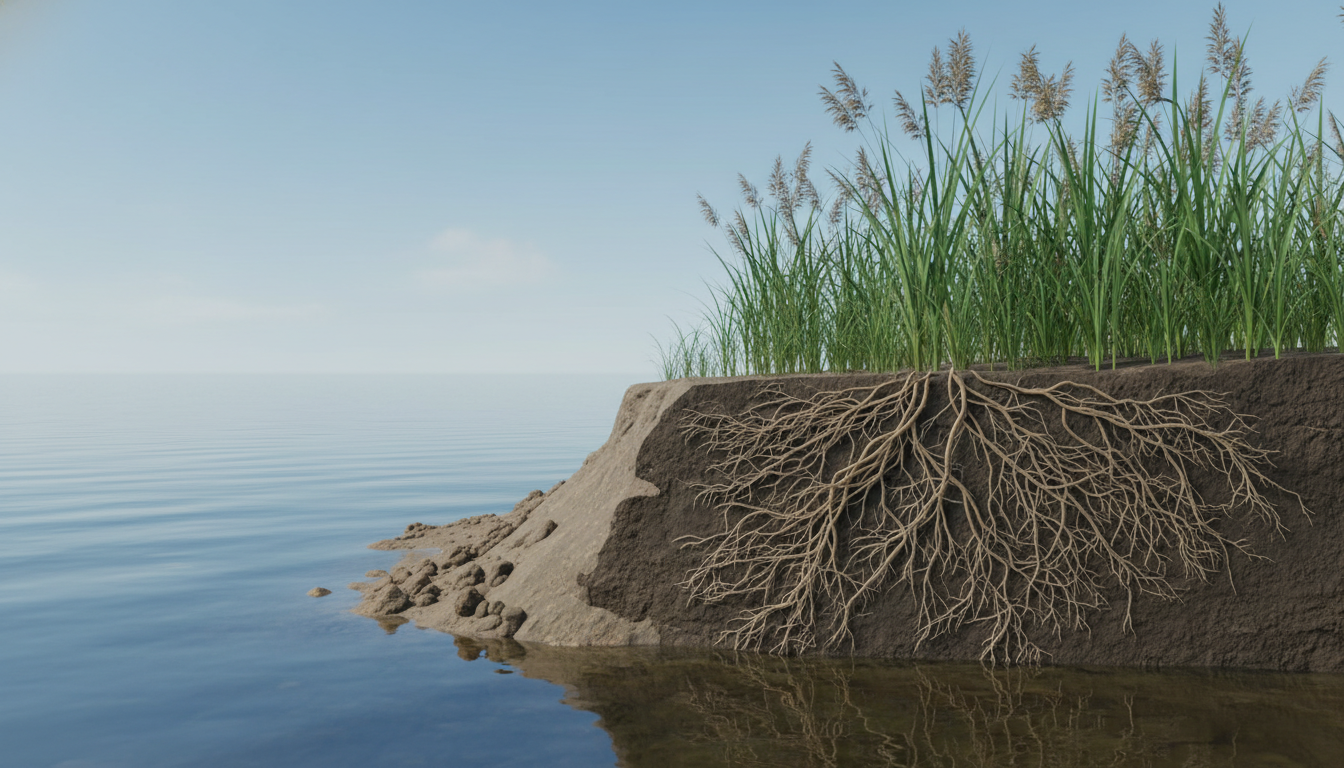
For the discerning estate owner in Wayzata, the shoreline is more than a property boundary; it is the definitive interface between architectural elegance and the storied waters of Lake Minnetonka. However, as wave energy increases and climate patterns shift, the traditional methods of protecting these shores are being re-evaluated through a lens of both environmental stewardship and sophisticated engineering. Wayzata shoreline stabilization MCWD standards have evolved, moving away from the stark, industrial look of heavy riprap toward bio-engineered solutions that offer superior resilience and aesthetic harmony.
As a Lake Minnetonka Shoreland Specialist, I have observed a significant shift in how high-net-worth individuals approach their lakefront legacies. The objective is no longer merely to “hold the line” against erosion, but to create a self-healing, living ecosystem that enhances the property’s value while meeting the rigorous requirements of the Minnehaha Creek Watershed District (MCWD). Bio-engineering represents the pinnacle of this approach, blending the precision of landscape architecture with the regenerative power of nature.
Ecology vs. Engineering: A Symbiotic Paradigm
Historically, shoreline protection was viewed as a battle of attrition. Property owners would install massive limestone or granite boulders—traditional riprap—to deflect the energy of the lake. While effective in the short term, this “hard” engineering often creates a secondary set of problems. Rigid structures reflect wave energy rather than absorbing it, often scouring the lakebed and causing erosion on neighboring properties. Furthermore, stone alone does nothing to address the chemical health of the lake.
Bio-engineered shoreline stabilization, by contrast, views the shoreline as a dynamic, living system. This method utilizes “soft” engineering techniques—such as encapsulated soil lifts, coir logs, and deep-rooted native vegetation—to create a buffer that absorbs energy. When we integrate Wayzata shoreline stabilization MCWD best practices, we are essentially building a natural sponge. This system doesn’t just resist the water; it works with it.
One of the most compelling arguments for bio-engineering is its impact on water quality. Research indicates that native plantings can reduce phosphorus runoff into Lake Minnetonka by up to a significant majority. For an estate owner, this isn’t just a win for the environment; it is an investment in the clarity and health of the very water that defines their property’s value. The transition from “hard” to “living” shores reflects a sophisticated understanding of modern land management.
Material Breakdown: The Anatomy of a Living Shoreline
To achieve the level of durability required for the often-turbulent bays of Lake Minnetonka, a bio-engineered project must be meticulously specified. We do not simply plant flowers; we build a multi-layered defense system. The materials used in these projects are selected for their ability to provide immediate stabilization while the biological components take root.
- Coir Logs and Fiber Blankets: These are high-density rolls of coconut fiber. They provide the initial structural integrity, acting as a breakwater that protects the slope while native plants become established. Over several years, these logs biodegrade, leaving behind a reinforced root matrix.
- Encapsulated Soil Lifts: For steeper slopes common in the Wayzata and Orono areas, we use specialized fabric to wrap layers of soil, creating a “terrace” that is both stable and plantable. This allows for the restoration of height without the need for a vertical retaining wall.
- Native Vegetative Matrix: The true “engine” of the system. Unlike turf grass, which has roots only a few inches deep, native species like Blue Flag Iris, Swamp Milkweed, and Big Bluestem have root systems that can reach ten to fifteen feet into the earth. These roots act as biological rebar, knitting the soil together.
- Strategic Fieldstone Placement: Bio-engineering does not exclude the use of stone. Instead, we use stone as a “toe” at the base of the slope to prevent undercutting, blending it seamlessly into the vegetation for a look that mimics a natural, untouched Minnesota shoreline.
| Method | Durability | Ecosystem Impact |
|---|---|---|
| Traditional Riprap | High (Static) | Low (Heat absorption, minimal filtration) |
| Bio-engineering | Increasing over time (Dynamic) | High (Filtering, habitat creation, phosphorus reduction) |
The Regulatory Path: Navigating MCWD and DNR Requirements
For Wayzata residents, any significant work below the Ordinary High Water Level (OHWL) requires a mastery of the regulatory landscape. The Minnehaha Creek Watershed District (MCWD) has established some of the most stringent standards in the state to protect the integrity of the Lake Minnetonka watershed. Navigating these permits is not merely a legal hurdle; it is an essential part of the design process.
When executing Wayzata shoreline stabilization MCWD compliant projects, the “Buffer Requirement” is often the most critical factor. For major shoreline work or new construction, the MCWD typically mandates a buffer of native vegetation. The width of this buffer is determined by the size and scope of the project, but the intent is clear: to create a continuous ribbon of filtration around the lake. Expert mastery of these regulations ensures that your project is not delayed and that the final result is fully compliant, protecting you from future litigation or remediation orders.
Furthermore, understanding the timing of these permits is vital. For example, during the Spring Thaw and Shoreline Stability phase, the soil is at its most vulnerable. Planning your MCWD application in the winter months allows for a seamless transition into construction as soon as the ground is workable, ensuring your estate is pristine for the summer season.
Aesthetic Integration and Property Value
There is a persistent myth that environmental restoration must look “wild” or “unkempt.” On a multi-million dollar Wayzata estate, this is unacceptable. Modern bio-engineering is a branch of landscape architecture. We design these shorelines with a keen eye for color palettes, bloom times, and sightlines. The result is a “curb appeal” that stone walls simply cannot match.
A well-executed bio-engineered shore softens the transition between the manicured lawn and the lake. It provides a frame for the water, utilizing height and texture to draw the eye toward the horizon. This approach has been a cornerstone of Shoreline Restoration in Wayzata, where owners seek to balance the rugged beauty of the North Woods with the refined elegance of a Lake Minnetonka estate. When a property eventually goes to market, a professionally engineered, MCWD-compliant shoreline is a significant asset, signaling to buyers that the property has been maintained with the highest standards of care and foresight.
Frequently Asked Questions
Does bio-engineering attract pests?
On the contrary, native plantings are specifically designed to support local pollinators, such as butterflies and songbirds, rather than common pests. By creating a balanced ecosystem, you often see a decrease in nuisance insects like mosquitoes, as the habitat supports natural predators like dragonflies.
Will it survive ice heave?
Ice heave is a significant concern on Lake Minnetonka. Rigid structures like concrete walls or tightly packed riprap are often cracked or displaced by the immense pressure of shifting ice. Properly designed bio-engineered slopes are flexible. The vegetative matrix and organic materials can flex and absorb the movement of the ice, often sustaining far less damage than “hard” structures.
Conclusion: A Legacy of Stewardship
The choice to move toward bio-engineered shoreline stabilization is a statement of intent. It reflects a commitment to the longevity of the estate and the health of Lake Minnetonka. By meeting and exceeding Wayzata shoreline stabilization MCWD standards, estate owners are not just protecting their land; they are enhancing the biological heritage of the region.
As we look toward the future of Lake Minnetonka, the integration of engineering and ecology will only become more vital. For the Wayzata estate owner, this is the ultimate luxury: a shoreline that is as resilient as it is beautiful, and as sophisticated as the home it protects.
Secure Your Shoreline’s Future
Ready to transform your lakefront into a resilient, bio-engineered masterpiece? Our team specializes in the intersection of high-end landscape architecture and MCWD-compliant engineering.
Download our Shoreline Material Guide to explore the textures and technologies that will define your estate.
Leave A Comment